Breakfast & Brunch
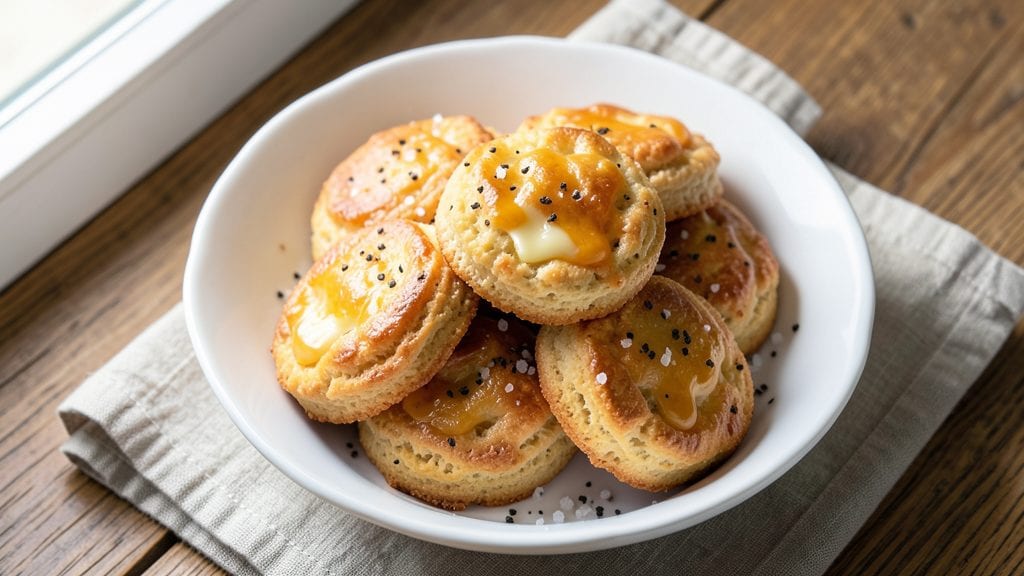
This Bisquick cheese biscuit recipe delivers the perfect balance of flaky layers and buttery crunch—a breakfast staple that’s quick to make and impossible to resist. The secret lies in the right mix of Bisquick, sharp cheddar, and cold butter, combined with a gentle touch when shaping.
I’ve perfected this method over years of weekend mornings, and it never fails to impress.
What sets these biscuits apart is the foolproof technique that ensures golden, tender layers without overworking the dough. With just 15 minutes of active prep and 12 minutes in the oven, you’ll have warm, pillowy biscuits ready to serve with honey, jam, or savory gravy.
The cheese adds a rich depth that keeps them moist while the Bisquick guarantees that signature flakiness.
By the time they emerge from the oven, your biscuits will have crisp edges and a soft, airy center, with just enough cheddar flavor to satisfy. The buttery aroma alone will have everyone at the table asking for seconds.
This recipe is designed for restaurant-quality results at home, with minimal effort and maximum flavor.
Serve them fresh from the oven with your favorite breakfast spread or use them to soak up gravy for a hearty meal. The dough is easy to shape, even for beginners, and the baking process is hands-off—just set the timer and enjoy the results.
Let’s get started on these quick, flaky cheese biscuits that’ll become a weekend tradition.
Ingredients for bisquick cheese biscuit
Eight simple ingredients transform into restaurant-quality biscuits with flaky layers and buttery crunch.
| Ingredient | Amount | Notes |
|---|---|---|
| Bisquick Biscuit Mix 🍞 | 2 cups | Unopened box for freshness |
| Cold Unsalted Butter 🧈 | ½ cup | Cut into 1-inch cubes |
| Sharp White Cheddar Cheese 🧀 | 1 cup | Shredded, not pre-shredded |
| Whole Milk 🥛 | ¼ cup | Cold for best texture |
| Diamond Crystal Kosher Salt 🧂 | 1 tsp | Fine grain preferred |
| Freshly Ground Black Pepper 🌶️ | ½ tsp | Cracked peppercorns preferred |
| All-Purpose Flour 🌾 | ¼ cup | For extra flakiness (optional) |
| Baking Powder 🍞 | ½ tsp | Aluminum-free preferred |
| Honey or Jam 🍯 | ½ cup | For serving (optional) |
The Bisquick is non-negotiable here—check the expiration date since older boxes lose their lift. I always grab the 24-ounce box from Kroger or Publix because it's freshest. The butter needs to be cold and cubed—no melting! Use European-style butter if you're feeling fancy, but regular unsalted works perfectly. For the cheese, sharp white cheddar is key—avoid mild varieties or pre-shredded (it has anti-caking agents that ruin texture). If you're near a cheese shop, ask for freshly shredded—it makes all the difference.
No Bisquick? Substitute 2 cups all-purpose flour plus 1.5 tsp baking powder, but you'll lose that signature flakiness. Out of sharp cheddar? Parmigiano-Reggiano or Gruyère work in a pinch, though the flavor profile changes. The milk can be buttermilk or even cold water if needed, but whole milk gives the best texture. Need extra flakiness? Add 1/4 cup flour and 1/2 tsp baking powder to the mix. And if you're feeling adventurous, swap 1/4 cup of the Bisquick for cornmeal for a Southern-style twist.
This dough is best used immediately, but you can shape and freeze biscuits for up to 1 month—bake straight from frozen, adding 2 minutes. For make-ahead prep, bake and freeze fully cooled biscuits wrapped in foil. Reheat in a 350°F oven for 5-7 minutes until crispy again. Store finished biscuits in an airtight container for 2 days—they're even better reheated with a pat of butter. Pro tip: Line your baking sheet with parchment for easy transfer and no sticking.
Why You'll Love This Recipe
- No-Fuss Magic: I swear by this recipe because it’s the kind of thing you can pull off while half-asleep. Just cube that cold butter, fold it into the mix with your fingers—no rolling pin, no stress—and let the oven do the rest. Twenty minutes later, you’ve got golden, flaky biscuits with that sharp cheddar melt you didn’t even have to work for.
- Cheddar Obsession: That sharp white cheddar isn’t just an add-in—it’s the star. The moment the biscuits come out, you get that perfect pull-apart texture with pockets of melty, salty goodness. Honestly, I’ve made these for people who “don’t like cheese,” and they still ask for seconds. The milk keeps them tender, but the cheese? It’s what makes them dangerously good.
- Breakfast to Brunch: These biscuits are my lazy weekend hero. Serve them warm with scrambled eggs and bacon for a no-brainer breakfast, or stack them high with gravy for a Sunday brunch that feels fancy but takes zero effort. I’ve even used leftover dough to make mini biscuit sliders—because why not? The mix is forgiving, and the flavor never lets you down.
- Budget Win: Between us, this recipe is my secret weapon for feeding a crowd without breaking the bank. A box of Bisquick, a block of cheddar, and a stick of butter stretch farther than you’d think. Plus, the leftovers? Toast them up the next morning, and suddenly you’ve got a free, crave-worthy snack. Not the prettiest, but the taste makes up for it every time.
Step-by-step instructions for Bisquick cheese biscuits
Here's how to create perfectly flaky, golden biscuits with that signature cheddar crunch in just minutes.
Prepare the Dough with Cold Butter
In a large mixing bowl, combine the 2 cups Bisquick Biscuit Mix, 1 cup shredded sharp white cheddar cheese, 0.5 tsp baking powder, and 1 tsp Diamond Crystal kosher salt. Mix gently with a fork or wooden spoon until the cheese is evenly distributed throughout the dry ingredients.
Cut the 0.5 cup cold unsalted butter into 1-inch cubes and add them to the dry mixture. Use your fingers or a pastry cutter to work the butter into the flour until you achieve a crumbly texture with pea-sized butter pieces visible throughout. This cold butter is what creates those beautiful flaky layers when baked.
Add the 0.25 cup cold whole milk and 0.5 tsp freshly ground black pepper to the bowl. Stir gently with a wooden spoon until just combined - you're looking for a soft dough that holds together when pressed but doesn't stick to your hands. If the dough feels too dry, add 1 tablespoon more milk at a time until it comes together properly.
Turn and Shape for Perfect Layers
Turn the dough out onto a lightly floured surface and gently pat it into a 1-inch thick rectangle. This is where the magic happens - we're creating those signature flaky layers. Fold the dough in thirds like a letter, then fold it in thirds again perpendicular to the first fold. This creates multiple thin layers that will separate beautifully during baking.
Pat the folded dough back into a 1-inch thick rectangle and cut it into 4 equal squares. Gently press each square together to form a 1-inch thick biscuit with slightly rounded top. Place them on an ungreased baking sheet about 1 inch apart - they won't spread much, but this gives them room to rise.
For extra flakiness, dust the tops with the 0.25 cup all-purpose flour and gently press it into the surface. This creates an additional barrier that enhances the layering effect when baked.
Bake Until Golden and Crisp
Preheat your oven to 425°F while you prepare the biscuits. Once hot, place the baking sheet on the middle rack and bake for 12-15 minutes until the biscuits are golden brown on top and the internal temperature reaches 190°F when tested with an instant-read thermometer.
Here's the key to perfect timing: the biscuits should be golden brown on top with just a hint of crispness at the edges. They'll continue cooking slightly after removal from the oven, so pull them out when they look just slightly underdone. The cheese should be melted but not oozing out the sides.
For serving, brush the warm biscuits with melted butter if desired, then serve immediately with 0.5 cup honey or jam on the side. These biscuits are best enjoyed fresh out of the oven while they're still warm and flaky. The cheese should be gooey in the center with a crisp, buttery exterior that practically melts in your mouth.
Pro Tips For Making Bisquick Cheese Biscuit
- Cut Butter in Small Pieces: Cold butter stays cold longer if you cut it into ½-inch cubes instead of big chunks—this means less melting during mixing and flakier layers later. I used to just scoop it straight from the fridge, and my biscuits always ended up greasy.
- Use Sharp Cheddar, Not Mild: Sharp white cheddar melts into creamy pockets while mild cheddar turns rubbery. Grate it yourself—pre-shredded sticks clump and add extra moisture. (Yes, it’s a pain, but the flavor is worth it.)
- Don’t Overmix the Dough: Stir just until the dough comes together—overworking it makes tough biscuits. If it feels sticky, add 1 tablespoon more Bisquick at a time, but don’t knead. (I learned this after making hockey pucks instead of biscuits.)
- Press Hard, Bake Fast: Use the palm of your hand to press the dough into the pan—gentle pressing = flat, sad biscuits. Bake at 425°F for 10–12 minutes until golden, not pale. (Underbaking is the #1 way to ruin them.)
Troubleshooting your bisquick cheese biscuit
Dough Too Sticky
If your dough feels too wet or sticky when shaping, you’ve likely added too much milk. The ideal dough should hold together when gently pressed but not stick to your hands. To fix this, immediately add 1 tablespoon all-purpose flour at a time, mixing gently until the dough becomes workable.
Over-kneading can also make dough sticky, so handle it minimally—just enough to shape. If the dough is still too soft after adding flour, chill it for 10 minutes before proceeding. 🧈
Flat or Dense Biscuits
Dense biscuits usually mean the dough was overworked or the butter wasn’t cold enough. The key is to handle the dough as little as possible after mixing.
If your biscuits turn out flat, ensure your butter is cold and cubed (not melted) and that you’re using the full 2 cups Bisquick—this provides the lift. Also, avoid pressing down on the biscuits when placing them on the baking sheet; they should rise naturally in the oven.
Preheating the oven to 425°F is critical for proper expansion.
Cheese Not Melting
If your cheese stays solid or oozes out instead of melting beautifully, it’s likely because the oven temperature wasn’t high enough or the biscuits baked too long. Aim for 12-15 minutes at 425°F until the internal temperature hits 190°F.
For extra meltiness, use sharp white cheddar (not mild) and avoid overbaking. If your oven runs hot, reduce the temperature to 400°F and check for doneness at 14 minutes. A toothpick inserted into the center should come out with a few moist crumbs, not dry ones.
Biscuits Spread Too Much
Excessive spreading usually happens when the dough is too warm or the butter melts too quickly. To prevent this, shape your biscuits into 1-inch thick rounds and place them 1 inch apart on the baking sheet. Chill the shaped biscuits for 10 minutes before baking if your kitchen is warm.
Also, ensure your butter is cold and cubed—never use softened butter. If spreading still occurs, your oven might be too hot; try baking at 375°F instead of 425°F for a slightly longer time.
Pale or Uneven Baking
Pale biscuits often result from an oven that isn’t hot enough or biscuits that were placed too close together. Preheat your oven for at least 15 minutes before baking, and use an oven thermometer to confirm it’s at 425°F.
Arrange biscuits 1 inch apart on the baking sheet to allow even airflow. For extra browning, brush the tops with a little milk or melted butter before baking. Rotate the baking sheet halfway through if your oven has hot spots. 🔥
Dough Cracking or Shrinking
Cracking or shrinking dough is usually a sign of overmixing or too much flour. Once you’ve combined the dough, stop mixing as soon as it holds together. If the dough cracks when shaping, gently press it back into a rectangle and fold it again to redistribute the butter.
For extra stability, add 1 tablespoon milk if the dough feels too dry. Avoid rolling or pressing the dough too firmly—just pat it gently into shape. If cracks appear after baking, your oven might be too hot; reduce the temperature by 25°F next time.
Nutrition facts
Frequently asked questions about cheese biscuits
Can I substitute Bisquick with regular flour?
The Bisquick mix is key for that signature flaky texture, but you can use 2 cups all-purpose flour plus 1.5 tsp baking powder as a substitute. However, the result won't be quite as tender or flaky. For best results, stick with the Bisquick—it's what creates those beautiful layers when baked!
Why do my cheese biscuits turn out dense?
Dense biscuits usually happen when the dough is overworked or the butter melts too quickly. Handle the dough minimally after mixing and ensure your butter stays cold and cubed. Also, preheat your oven to 425°F for proper rise. The Bisquick provides lift, so using the full amount is crucial!
How do I make these biscuits extra cheesy?
For a richer cheese flavor, increase the shredded cheddar to 1.5 cups and add 0.25 cup grated Parmesan. For extra meltiness, try mixing in 2 oz cream cheese with the cold butter. The cheese should be sharp—not mild—and freshly shredded for the best texture!
Can I make these biscuits ahead of time?
Shape the biscuits and freeze them on a tray for 1 hour, then transfer to a freezer bag. Bake straight from frozen at 425°F for 14-16 minutes. For make-ahead prep, bake fully and freeze cooled biscuits wrapped in foil. Reheat in a 350°F oven for 5-7 minutes until crispy again!
What’s the best way to serve these biscuits?
These biscuits are perfect with honey, jam, or fresh fruit for a sweet breakfast. For a savory meal, serve with gravy, scrambled eggs, or pulled pork. Brush warm biscuits with melted butter for extra richness—just be sure to serve them fresh from the oven for that perfect texture!