
Appetizers
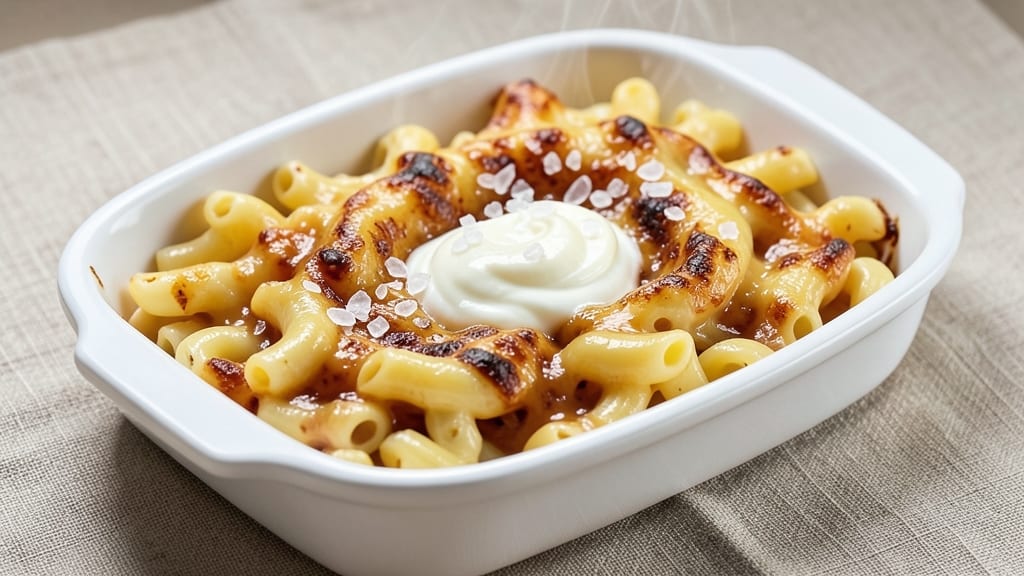
Creating Campbell's chedddar cheese mac and cheese with that signature ultra-smooth, velvety texture—without a single lump—is simpler than you think. This recipe transforms pantry staples into a comforting, restaurant-quality dish that even picky eaters adore.
The secret lies in the proper sauce technique and a few precise steps that eliminate clumping while maximizing creaminess.
What sets this version apart is using Campbell's cheddar cheese sauce as the foundation, which provides that rich, tangy flavor while ensuring a velvety consistency. We'll combine it with elbow macaroni and a touch of butter for extra richness, all while maintaining that signature no-lump guarantee.
The result? A dish that's creamy, cheesy, and perfectly balanced every time.
By the end, you'll have a golden-brown, bubbling mac and cheese with tender pasta perfectly coated in a velvety sauce. The texture is so smooth it practically melts in your mouth, and the cheesy flavor is bold without being overpowering.
This is the kind of comfort food that brings people together—whether for a quick weeknight dinner or a family gathering.
Ready in just 30 minutes, this recipe scales easily for crowds and reheats beautifully. The optional breadcrumb topping adds a satisfying crunch, while steamed broccoli makes it a complete meal. Let's get started on creating your perfect bowl of mac and cheese.
Ingredients for campbell's cheddar cheese mac and cheese
Pantry staples meet restaurant-quality cheesiness—just 12 ingredients for velvety perfection.
| Ingredient | Amount | Notes |
|---|---|---|
| Elbow Macaroni 🍝 | 12 oz | Medium or fine elbow shape preferred |
| Campbell's Cheddar Cheese Sauce 🧀 | 2 cups | Prepared according to package instructions |
| Unsalted Butter 🧈 | ½ cup | Cold, cubed for even melting |
| Sharp Cheddar Cheese 🧀 | 1 cup | Freshly grated, block preferred |
| Whole Milk 🥛 | ¼ cup | Warmed slightly for creaminess |
| Diamond Crystal Kosher Salt 🧂 | ½ tsp | Adjust to taste after tasting |
| Freshly Ground Black Pepper 🌶️ | ¼ tsp | Freshly cracked preferred |
| Panko Breadcrumbs 🍞 | ½ cup | For optional crispy topping |
| Freshly Grated Parmesan Cheese 🧀 | ¼ cup | For optional topping |
| Steamed Broccoli Florets 🥦 | 2 cups | For serving as side |
| Extra-Virgin Olive Oil 🫒 | 1 tbsp | For drizzling on broccoli |
| Garlic Cloves 🧄 | 2 cloves | Minced for broccoli seasoning |
The Campbell's cheddar cheese sauce is your flavor foundation, so grab the canned version—it's specifically formulated for that tangy, velvety texture. For the cheddar, block cheese from the deli counter grates fresher than pre-shredded. I always buy Kraft Natural Sharp Cheddar for that bold flavor without the waxy coating. The elbow macaroni should be medium or fine—those tiny elbows clump less. If you're short on time, Barilla or De Cecco cook up perfectly every time. Pro tip: rinse the pasta after cooking if you're worried about starch—though I rarely do since the sauce handles it well.
No Campbell's sauce? Substitute 1.5 cups whole milk + 2 tablespoons cornstarch + 1 cup shredded cheddar for a homemade version. Pre-shredded cheese works in a pinch (though it's less flavorful), but add 1 extra tablespoon of flour to prevent clumping. For the broccoli, Trader Joe's frozen florets steam perfectly—just toss with olive oil and garlic after cooking. The panko topping? Toast it in a dry pan for 2 minutes first to prevent sogginess. Want extra richness? Stir in 2 tablespoons sour cream with the cheese sauce at the end.
This reheats beautifully—just add a splash of milk to loosen the sauce. Keeps 4-5 days in the fridge, freezes for 2 months (though texture changes slightly). For the broccoli, store it separately in a sealed container to keep it crisp. I always double the recipe—half goes in the freezer for lazy days. The breadcrumb topping? Make it ahead and store in an airtight container for 1 week. That way, you just sprinkle and bake when ready.
Why You'll Love This Recipe
- Five-Ingredient Magic: I swear, this recipe is the kind of dish where you measure, mix, and melt—no fancy techniques. That Campbell’s sauce does half the work, and the sharp cheddar just takes it from good to oh-my-gosh-why-didn’t-I-think-of-this-sooner.
- Creamy Crunch Perfection: Here’s what sold me—the buttery elbow pasta with that crispy edge from the oven, then drowned in a sauce so rich it makes you close your eyes. The milk and extra cheddar make it velvety, but the sauce keeps it from being too heavy. Balance, people.
- Potluck or Pajama Party: Between us, this is my secret weapon for gatherings. It’s hearty enough for a crowd but easy to double—just toss more pasta in the same pan. Serve it at a BBQ, a game night, or even breakfast (yes, even on a Tuesday night). No one judges.
- Leftovers That Don’t Suck: Honestly, the first time I made this, I thought leftovers would be sad. Wrong. The next day, it’s even better—cheese pulls tighter, flavors meld, and it reheats like a dream. Plus, it’s cheap enough to stretch into lunches without guilt. Win-win.
Step-by-step instructions for creamy Campbell's cheddar mac and cheese
Here's how to transform Campbell's cheddar sauce into restaurant-quality mac and cheese with velvety texture and no lumps.
Cook the Elbow Macaroni to Perfect Al Dente
Bring a large pot of water to a rolling boil and add 12 oz elbow macaroni. Stir immediately to prevent sticking. Cook for 8-10 minutes until the pasta is al dente - when you bite into it, the center should have a slight resistance but still be tender. You want it to finish cooking in the cheese sauce, not become mushy.
Before draining, reserve 1 cup of pasta water - this starchy liquid is essential for creating the ultra-smooth sauce. The pasta water helps emulsify the cheese and butter mixture, preventing any separation. Drain the pasta in a colander and return it to the pot, leaving it off the heat for now.
Create the Ultra-Smooth Cheese Sauce
In a separate large bowl, combine the 2 cups Campbell's cheddar cheese sauce, 0.5 cup cold cubed unsalted butter, 1 cup freshly grated sharp cheddar cheese, and 0.25 cup warmed whole milk. The cold butter cubes will help create a silky texture as they melt gradually rather than all at once.
Using a wooden spoon or silicone spatula, stir vigorously for 2-3 minutes until the butter melts completely and the mixture becomes completely smooth. You're looking for a consistency that coats the back of a spoon without any graininess. If you notice any lumps forming, add 1-2 tablespoons of reserved pasta water and keep stirring until fully incorporated.
Combine Pasta and Sauce for Maximum Creaminess
With the pasta still in its pot off the heat, pour the cheese mixture over it. Using tongs or a large spoon, gently fold everything together until the pasta is completely coated with sauce. The residual heat from the pasta will help melt any remaining cheese bits and create that signature velvety texture.
If the mixture appears too thick at this point, add 2-3 tablespoons of reserved pasta water and stir gently until you reach a perfect creamy consistency. You want it to coat the back of a spoon but still be thick enough to cling to the pasta. Season immediately with 0.5 tsp Diamond Crystal kosher salt and 0.25 tsp freshly ground black pepper, tasting as you go.
Prepare the Optional Crispy Topping (While Pasta Cooks)
While the pasta finishes cooking in its sauce, prepare the optional crispy topping by melting 1 tablespoon extra-virgin olive oil in a small skillet over medium heat. Add the 2 minced garlic cloves and sauté for 30 seconds until fragrant but not browned. Remove from heat and stir in 0.5 cup panko breadcrumbs and 0.25 cup freshly grated parmesan cheese.
Transfer the breadcrumb mixture to a small baking dish and bake at 375°F for 3-4 minutes until golden brown. This quick baking step creates a delightful textural contrast to the creamy mac and cheese. Keep it warm until ready to serve.
Serve with Steamed Broccoli and Optional Topping
Transfer the mac and cheese to a serving dish and top immediately with the crispy breadcrumb mixture if using. The contrast between the creamy pasta and crispy topping creates the perfect balance of textures. Serve alongside the 2 cups steamed broccoli florets that you've prepared separately.
For an extra touch, drizzle a little more of the reserved pasta water over the top before serving - this helps maintain that ultra-smooth texture right through to the last bite. The combination of the rich, creamy mac and cheese with the bright, slightly bitter broccoli makes this a complete, satisfying meal that's perfect for any occasion.
Pro Tips For Making Campbell'S Cheddar Cheese Mac And Cheese
- Boil Pasta Fast: Use a large pot with plenty of water—crowding slows cooking and turns noodles mushy. I learned this the hard way after slurping my own soggy elbows like penance. Aim for 12 quarts of water per pound of pasta, and salt it like the ocean (1½ tablespoons per gallon).
- Warm the Sauce First: Campbell’s sauce thickens when cold—heat it gently in the same pot you’ll mix the pasta into. Just 2–3 minutes on low keeps it smooth and prevents clumping. (Yes, even if you’re impatient like me.)
- Grate Cheese Fresh: Skip the pre-shredded sharp cheddar—it’s coated with anti-caking agents that make the sauce grainy. Use a box grater for fine, even shreds, and fold them in last to melt perfectly. (Your future self will notice the difference.)
- Finish with Butter: Toss in 2 tablespoons of cold unsalted butter at the end—it coats the noodles for a silky texture and richer flavor. Sounds weird, but it works: the butter melts into the sauce without breaking it.
Common mistakes when making perfect results
Overcooking the Pasta
One of the biggest mistakes is cooking the pasta until it's mushy. Elbow macaroni should be al dente with a slight bite—8-10 minutes in boiling water, not until it turns to paste.
Overcooked pasta absorbs too much sauce, making the final dish watery. I’ve learned to test it by tasting a piece—if it’s soft but still has a tiny resistance, it’s perfect. 🍝
Skipping Pasta Water
The starchy liquid from pasta water is your secret weapon against lumps and dryness. When draining, always reserve 1 cup—it helps emulsify the cheese and butter mixture, creating that signature velvety texture.
Without it, your sauce can turn grainy or separate. I keep a small bowl nearby to catch the water while draining.
Adding Cheese Too Quickly
Dumping all the cheese at once causes clumping. Instead, add 1 cup freshly grated sharp cheddar gradually while stirring vigorously. The key is patience—let the cheese melt slowly over 2-3 minutes of constant stirring.
If lumps form, a splash of reserved pasta water fixes it instantly. I’ve ruined batches by rushing this step!
Ignoring the Butter Temperature
Cold cubed butter melts more evenly than melted butter poured in hot. If you use melted butter straight from the fridge, it can cause separation in the sauce.
Cut 0.5 cup unsalted butter into chunks and let it melt gradually with the cheese. This creates that ultra-smooth, restaurant-quality texture we all crave. 🧈
Underseasoning at the End
Taste your mac and cheese before serving—it’s often bland because we forget to season properly. Add 0.5 tsp Diamond Crystal kosher salt and 0.25 tsp freshly ground black pepper right after combining everything.
Adjust to taste, but don’t skip this step! I’ve had to rescue underseasoned batches by adding extra salt and a pinch of cayenne for depth.
Not Prepping the Topping Early
If you’re adding a breadcrumb topping, make it while the pasta cooks. Toasting 0.5 cup panko with garlic and parmesan in a skillet for 30 seconds ensures it’s crispy, not soggy.
Baking it separately at 375°F for 3-4 minutes is the real game-changer. Skipping this step means a mushy topping that ruins the texture contrast. 🍞
Nutrition facts
Frequently asked questions
Can I make this mac and cheese without Campbell's cheese sauce?
For a homemade version, mix 1.5 cups whole milk with 2 tablespoons cornstarch until smooth, then whisk in 1 cup freshly grated sharp cheddar. Heat over medium-low heat until fully melted, then proceed with the recipe as written. The texture will be just as creamy, though the tangy depth of Campbell's sauce is hard to replicate.
How do I prevent the mac and cheese from getting watery when reheating?
Add a splash of whole milk or reserved pasta water to loosen the sauce before reheating. Cover the dish and warm on low heat or in the microwave with a damp paper towel over it. For best results, reheat in 30-second intervals, stirring between each. The extra moisture prevents the cheese from drying out.
Can I make this recipe ahead of time?
Yes! Assemble the mac and cheese completely, then refrigerate in an airtight container for up to 4-5 days. Reheat with a splash of milk as mentioned above. For freezing, cool completely first, then freeze for up to 2 months. The texture may be slightly grainier after thawing, but adding a bit of milk while reheating restores creaminess.
What's the best way to add protein to this dish?
For a hearty meal, stir in 1 cup cooked diced ham or 1 cup shredded rotisserie chicken when combining the pasta and sauce. For a vegetarian option, mix in 1 cup steamed cauliflower florets or 1 cup sautéed mushrooms. Add the protein just before serving to keep it warm and tender. The extra moisture helps maintain that velvety texture.
Why does my mac and cheese look dry after baking?
This usually happens when the sauce thickens too much during baking. To fix it, stir in 2-3 tablespoons of warm milk or reserved pasta water before serving. For future batches, reduce the oven temperature to 350°F and bake for 15-20 minutes instead of higher heat. Cover with foil for the first 10 minutes to trap moisture.