Main Courses
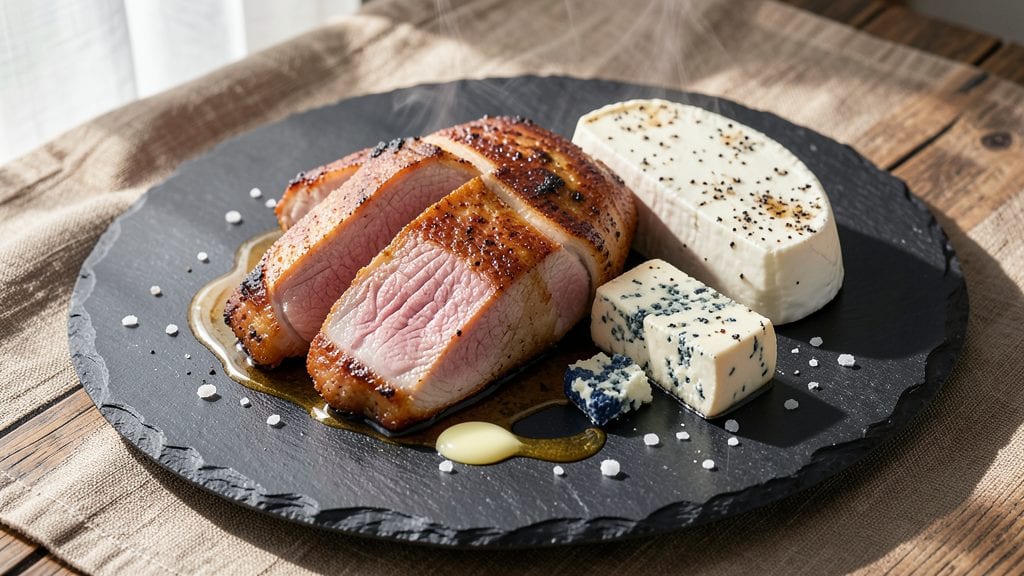
This duck cheese recipe delivers the perfect marriage of crispy duck skin and a gooey, melty cheese center that transforms an elegant dinner into an unforgettable experience. The key lies in precise cooking techniques that render the duck to golden perfection while keeping the interior juicy, then pairing it with a complementary cheese that melts into luxurious silkiness. I developed this method after years of experimenting with French-inspired duck preparations, refining it to achieve that restaurant-quality balance of textures and flavors.
What makes this dish truly special is the harmony between the duck's rich, savory depth and the cheese's creamy, sometimes tangy contrast. Whether you choose a bold blue cheese for sharpness or a mild brie for gentle sweetness, the combination creates layers of flavor that elevate every bite.
The recipe requires just 30 minutes of active prep time, making it surprisingly approachable for a dish that feels like a special occasion.
By the time you serve this dish, you'll have perfectly crispy duck skin with tender, juicy meat inside, topped with a blanket of melted cheese that stretches and pulls into golden strands.
The aroma alone will draw everyone to the table, and the first bite delivers that satisfying contrast of textures—crispy, creamy, and rich all at once. This is the kind of dish that makes weeknight dinners feel like a celebration.
The beauty of this recipe is its versatility—serve it over mashed potatoes for a comforting classic, pair it with roasted vegetables for a balanced plate, or even wrap it in crispy prosciutto for an added layer of flavor.
The possibilities are endless, but the foundation remains the same: perfectly cooked duck and a cheese that melts into perfection. Let's get started on creating this showstopper.
Ingredients for duck cheese
French-inspired duck meets luxurious cheese in this elegant yet approachable recipe.
| Ingredient | Amount | Notes |
|---|---|---|
| Duck Breast 🦆 | 2 whole | Skin-on, 1/2 lb each, room temperature |
| Brie Cheese 🧀 | 8 oz | Rind removed, soft-ripened variety |
| Blue Cheese 🧀 | 4 oz | Crumbled, aged variety for sharpness |
| Unsalted Butter 🧈 | ½ cup | Cold, cut into small pieces |
| Kosher Salt 🧂 | 1 ½ tsp | Fine grain, for seasoning |
| Freshly Ground Black Pepper 🌶️ | ½ tsp | Freshly cracked for optimal flavor |
| Garlic Cloves 🧄 | 4 cloves | Minced, for butter compound |
| Fresh Thyme Leaves 🌿 | ¼ cup | Chopped, for butter compound |
| Extra-Virgin Olive Oil 🫒 | 2 tbsp | For duck skin crisping |
| Dijon Mustard 🍯 | 1 tbsp | For duck skin seasoning |
| All-Purpose Flour 🌾 | 2 tbsp | For dredging duck |
| Heavy Cream 🥛 | ¼ cup | Warm, for cheese sauce |
The duck breast is the foundation—look for high-quality, skin-on cuts from a trusted butcher or specialty market like Whole Foods or D'Artagnan. The skin should be thick and unblemished, with a rich, golden hue. For the cheese, Brie de Meaux or Comté adds depth, while Gorgonzola Dolce or Roquefort brings bold tang. If sourcing blue cheese, ensure it's aged at least 3 months for optimal sharpness. The butter should be European-style (like Plugrá) for higher fat content, which enhances crisping. Prep the duck by scoring the skin in a crosshatch pattern—this creates crispy pockets while keeping the meat tender.
No blue cheese? Substitute with crumbled goat cheese for a milder tang, or extra-sharp cheddar for a sharper bite. Swap Brie for Camembert or Havarti if unavailable, though Brie’s creaminess is ideal. For the butter compound, herb-infused butter from Land O’Lakes works in a pinch, but freshly minced garlic and thyme elevate it. If you lack Dijon mustard, whole-grain mustard thinned with water mimics the texture. The duck can be cooked skin-side down in a cast-iron skillet for maximum crisp, or under a broiler for even browning. For a vegetarian twist, replace duck with seitan or portobello mushrooms, though texture will differ.
Duck breasts keep best 2 days in the fridge, wrapped tightly in parchment and foil. The cheese should be stored in its original packaging until ready to use, then sealed with plastic wrap to prevent drying. The butter compound can be made 1 day ahead and refrigerated. Once cooked, serve the duck immediately to maintain crispiness—leftovers reheat best in a 350°F oven for 10 minutes, covered loosely. For a showstopper presentation, arrange the melted cheese in a ruffle pattern over the duck using two forks. Pair with crusty baguette or roasted pear slices to balance richness.
Why You'll Love This Recipe
- One-Pan Magic: I swear by this—no chopping, no flipping, no stress. Just sear the duck, top it with Brie and blue cheese, and let the oven do the work while you sip wine. (Yes, even on a Tuesday night.)
- Rich Contrast Bites: That crispy duck skin gives way to creamy Brie and tangy blue cheese—each forkful is a party. Honestly, the saltiness of the duck and the funk of the blue cheese? It’s the kind of combo that makes you close your eyes.
- Weeknight Dinner Hero: Throw it together for date night, impress guests, or feed the kids after soccer practice. The leftovers reheat beautifully, and the flavors only get better the next day—like a gourmet handshake.
- Budget-Friendly Luxury: Duck breast feels fancy, but it’s cheaper than you think when you pair it with affordable cheeses and butter. I’ll be real: this recipe makes me feel like I’m eating at a bistro without breaking the bank.
Step-by-step instructions for crispy duck with silky cheese center
Master this technique for restaurant-quality duck with a perfectly crisp exterior and luscious cheese filling.
Prepare the Duck for Maximum Crisp
Pat the skin-on duck breasts completely dry with paper towels—this is non-negotiable for crispy skin. I press firmly all over, even under the edges where moisture hides. Season both sides generously with the 1.5 teaspoons kosher salt and 0.5 teaspoon freshly ground black pepper, rubbing it into the skin so it adheres.
In a small bowl, mix the 2 tablespoons all-purpose flour with a pinch of salt. Lightly dredge the duck breasts in this flour mixture, shaking off any excess. This creates a delicate barrier that helps develop that coveted golden crust. Place the prepared duck on a plate and let it sit at room temperature for 30 minutes before cooking—this ensures even cooking through the thickest part.
Create the Garlic-Thyme Butter Compound
While the duck rests, prepare the herb butter by combining the 0.5 cup cold unsalted butter (cut into small pieces), 4 minced garlic cloves, and 0.25 cup chopped fresh thyme leaves in a small bowl. Using a fork or your fingers, work the mixture until the butter softens slightly and the herbs are evenly distributed. This compound will infuse the duck with aromatic flavor while keeping it moist.
Roll the butter mixture into a log shape and flatten it slightly. Place it between two sheets of plastic wrap and chill in the refrigerator until ready to use. This step ensures the butter stays cold enough to create steam when it hits the hot duck, helping render fat and develop that perfect crispy skin.
Render Fat and Crisp the Duck Skin
Heat a large skillet over medium heat (no oil needed—the duck's fat will render). Place one duck breast skin-side down in the pan. Let it cook undisturbed for 8-10 minutes, pressing down gently with a metal spatula during the first minute to prevent curling. You'll see the fat begin to render and bubble—this is when the magic happens.
When the skin is deep golden brown and crispy (you should hear it sizzling audibly), carefully flip the duck and cook for another 3-4 minutes until the internal temperature reaches 135°F. Transfer to a cutting board and tent loosely with foil to keep warm. Repeat with the second duck breast. The rendered fat in the pan will be golden and flavorful—don't discard it.
Assemble the Cheese Center
Cut a pocket into the center of each duck breast by slicing horizontally about ½ inch deep—just enough to create a pocket without cutting through to the other side. Divide the 8 ounces brie cheese and 4 ounces crumbled blue cheese evenly between the pockets, pressing them gently into the opening. The brie will melt into a creamy center while the blue cheese adds sharp contrast.
Place the stuffed duck breasts back in the skillet (add a little more heat if needed) and cook for 2-3 minutes per side until the cheese begins to soften and the edges are golden. Remove from heat and let rest for 5 minutes—this allows the cheese to fully meld while keeping the duck juicy.
Create the Silky Cheese Sauce
Return the skillet to medium-low heat and add the 2 tablespoons extra-virgin olive oil and 1 tablespoon Dijon mustard. Stir in the rendered duck fat from the pan, then add the 0.25 cup warm heavy cream. Let it simmer gently for 2-3 minutes until slightly thickened.
Slice the duck breasts diagonally into ¼-inch thick pieces and arrange on a warm platter. Spoon the cheese sauce generously over each piece, allowing the silky sauce to cascade over the crispy skin and melted cheese center. Serve immediately while the duck is still warm and the sauce remains velvety smooth.
Pro Tips For Making Duck Cheese
- CRANK THE HEAT THEN DROP: Start your duck breast over high flame until it’s screaming—you’ll see the fat render fast and the skin start to crisp. Once it’s golden and the fat pools, immediately reduce to medium-low. I used to babysit the pan, and the duck ended up greasy. Trust the process: high heat first, low heat to finish.
- SALT THE DUCK LIKE IT’S WORTH IT: Generously coat both sides of the duck breast with kosher salt at least 30 minutes before cooking—yes, even if you’re impatient like me. The salt draws out moisture, which crisps the skin beautifully. Skip this, and your duck will taste bland no matter how much butter you slather on later.
- DON’T SKIP THE REST: After searing, let the duck rest covered with foil for a solid 5-10 minutes before slicing. I learned this the hard way—cutting into it too soon sends all that juicy goodness pooling onto the plate instead of staying where it belongs. Patience here makes the difference between a dry slice and a melt-in-your-mouth bite.
- USE ROOM-TEMP CHEESE: Take the Brie and blue cheese out of the fridge at least 20 minutes before you need them. Cold cheese melts unevenly and can turn rubbery when baked—trust me, you’ll taste the difference. Room temp = smooth, creamy perfection. (Pro move: press the Brie lightly with a pan to flatten it before baking.)
Perfect pairings for this duck cheese
Wine Pairings
For this rich, cheesy duck dish, I reach for a Burgundy red wine like Domaine Drouhin—its velvety tannins and notes of black cherry and earth complement the duck's fat without overpowering the brie's creaminess.
A Pinot Noir from Oregon's Willamette Valley also works beautifully, with its bright acidity cutting through the richness. Avoid heavy Cabernets, as their bold structure clashes with the delicate cheese melts. 🍷
Beer Pairings
A crisp Belgian witbier like Hoegaarden provides a refreshing contrast with its citrusy coriander notes and effervescence. For a malty option, try a Belgian dubbel such as Rodenbach—its caramel and spice balance the duck's richness while harmonizing with the blue cheese's tang.
Avoid heavy stouts or IPAs, which can overpower the dish's delicate flavors. 🍺
Side Dish Ideas
Creamy mashed potatoes with roasted garlic and chives provide the perfect canvas for the duck's rendered fat. I also love roasted baby carrots with honey and thyme—their natural sweetness contrasts the blue cheese's sharpness.
For a lighter option, a mixed greens salad with pear slices and a light vinaigrette balances the richness beautifully. 🥕
Bread Pairings
A crusty baguette is essential for soaking up the cheese sauce—look for a French-style baguette from a local bakery or Boudin Bakery for that perfect crunch.
For a gourmet touch, serve with brioche toast topped with the garlic-thyme butter compound. The buttery, airy texture contrasts perfectly with the crispy duck skin. 🥖
Dessert Complements
Finish the meal with poached pears in red wine, their soft texture and subtle sweetness cleansing the palate after the rich duck. A dark chocolate mousse with raspberries adds a sophisticated contrast to the savory main.
Avoid overly sweet desserts, as they can overpower the lingering flavors of the cheese and duck. 🍫
Garnish Finishes
Before serving, garnish each plate with a sprinkle of fresh thyme leaves and a drizzle of honey to add a touch of sweetness. A few crispy fried shallots from La Tourangelle add a delicate crunch that elevates the dish to restaurant quality.
These finishing touches make the presentation as impressive as the flavors. ✨
Nutrition facts
Frequently asked questions
Can I substitute other cheeses besides brie and blue cheese?
For a milder option, swap brie with Camembert or Havarti. If you prefer sharper flavors, try Gorgonzola Dolce or Roquefort instead of blue cheese. Goat cheese works too—just crumble it for texture. The key is balancing creamy and tangy notes to complement the duck's richness.
How do I keep the duck skin extra crispy?
Pat the skin completely dry before cooking, then chill the duck uncovered in the fridge for 30 minutes to firm it up. Use medium heat and press gently with a spatula during the first minute to flatten the skin. Avoid flipping too soon—wait until it's deep golden brown and sizzling loudly. The rendered fat is your friend!
Can I make this recipe ahead of time?
Prep the duck breasts and cheese filling up to 1 day ahead, but cook them fresh for the best texture. The herb butter can be made 2 days ahead and stored chilled. If reheating leftovers, warm in a 350°F oven for 10 minutes covered loosely—just don't microwave, or the skin will turn soggy.
What's the best way to slice the duck for serving?
Slice diagonally into ¼-inch thick pieces for elegant presentation. For extra drama, fan the slices slightly on the plate. The cheese pocket will ooze beautifully when cut—this is your cue to serve immediately while the sauce is still silky. A sharp knife and steady hand make all the difference!
Why did my cheese pocket leak out?
This happens if the pocket isn't sealed properly or the duck overcooks. Cut the pocket just ½ inch deep and press the cheese gently inside. Remove the duck from heat when the internal temp hits 135°F—overcooking causes juices to escape. A 5-minute rest after cooking helps too!