Side Dishes
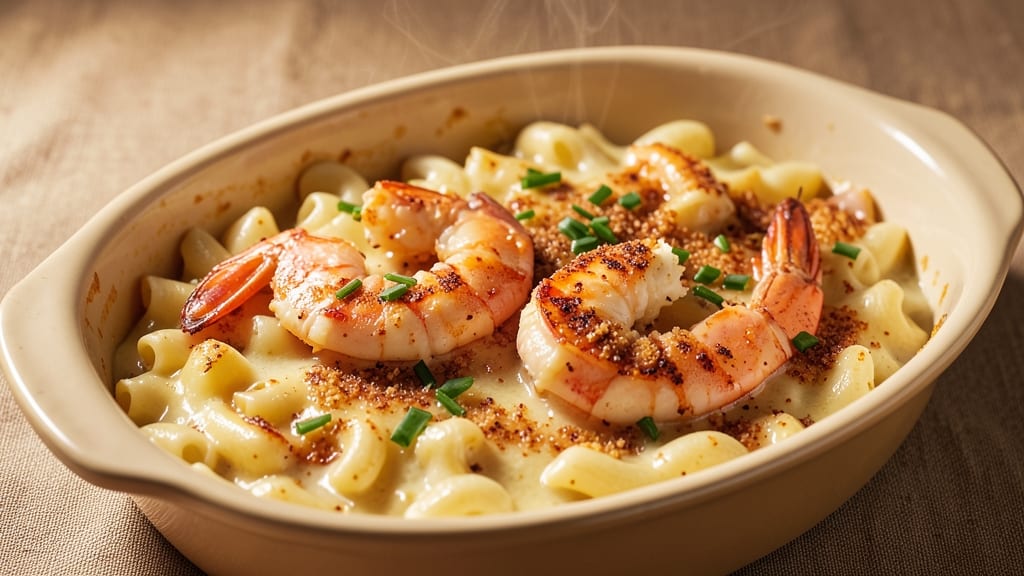
This Capital Grille lobster mac and cheese copycat recipe delivers the restaurant's signature buttery breadcrumb crown over a rich, seafood-infused cheese sauce—all without the hefty price tag.
The secret lies in poaching tender lobster meat, building a velvety cheese sauce with Gruyère and cheddar, and finishing with a crisp, golden breadcrumb topping that locks in every flavor.
I first perfected this after years of analyzing restaurant versions, and the result is a dish that feels like a luxury meal at home.
The process begins with properly poaching lobster tails to maintain their delicate texture, then shredding them into the cheese sauce for maximum flavor infusion. A classic roux forms the base of the sauce, ensuring it stays creamy and cohesive even when reheated.
The breadcrumb topping, toasted to a perfect golden brown, adds that signature crunch that makes this dish unforgettable. Every step has been tested to replicate the restaurant's consistency.
What you'll end up with is a plate of mac and cheese that rivals the Capital Grille's version—luxurious, comforting, and packed with buttery, cheesy goodness. The lobster pieces melt into the sauce while maintaining their tenderness, and the breadcrumb crown adds a satisfying crunch with every bite.
This is the kind of dish that makes weeknight dinners feel special without requiring restaurant-level effort.
Perfect for impressing guests or treating yourself to a seafood indulgence, this recipe scales beautifully for gatherings. The technique is approachable yet delivers professional results, making it ideal for home cooks looking to elevate their dinner table. Let's get started on creating this restaurant-quality masterpiece at home.
Ingredients for capital grille lobster mac and cheese copycat
Luxurious seafood meets comforting pasta—just 16 ingredients for a restaurant-worthy dish.
| Ingredient | Amount | Notes |
|---|---|---|
| Fresh Lobster Tails 🦞 | 1 lb | Cold-water, shell-on preferred |
| Elbow Macaroni 🍝 | 12 oz | Dry weight, medium elbow |
| Unsalted Butter 🧈 | ½ cup | European-style preferred |
| Heavy Cream 🥛 | 1 cup | Full-fat for richness |
| Whole Milk 🥛 | ½ cup | Warmed for smooth sauce |
| Gruyère Cheese 🧀 | 1 ½ cups | Freshly grated, aged 12+ months |
| Sharp White Cheddar 🧀 | 1 cup | Block cheese, freshly grated |
| Parmesan Cheese 🧀 | ½ cup | Freshly grated, Parmigiano-Reggiano |
| Garlic Cloves 🧄 | 4 cloves | Peeled, minced for roux |
| Diamond Crystal Kosher Salt 🧂 | 1 ½ tsp | For pasta water |
| Freshly Ground Black Pepper 🌶️ | ½ tsp | Cracked peppercorns preferred |
| All-Purpose Flour 🌾 | ¼ cup | For roux base |
| Fresh Thyme Leaves 🌿 | ¼ cup | Chopped, stems removed |
| Panko Breadcrumbs 🍞 | ½ cup | Japanese-style, toasted |
| Extra-Virgin Olive Oil 🫒 | ¼ cup | Light variety for topping |
| Lemon Zest 🍋 | 1 tsp | Freshly grated |
The lobster is non-negotiable for authenticity. Cold-water lobster tails from a reputable seafood market ensure tender meat—look for tails with vibrant, blue-green shells and minimal bruising. Whole Foods or local fishmongers carry the best quality, though frozen tails work in a pinch if properly thawed. The Gruyère should be aged 12+ months for optimal melt and nutty depth; Murray's or Cowgirl Creamery brands deliver consistent results. For the cheddar, block cheese grated at home outperforms pre-shredded varieties—Cabot or Tillamook are reliable choices. Every component must be fresh to replicate the restaurant's velvety texture.
Substitutions require strategic adjustments. No lobster? Swap in cooked shrimp or scallops, but reduce the quantity by 20% to maintain balance. Gruyère unavailable? Comté or Emmental provide similar melt, though flavor will differ slightly. The roux can be made with butter and flour exclusively, but adding a splash of milk early prevents burning. For the breadcrumb crown, panko mixed with 1 tbsp melted butter ensures proper adhesion—standard breadcrumbs lack the necessary structure. The lemon zest brightens the dish; bottled zest works but lacks freshness. Every swap should prioritize maintaining the sauce's luxurious mouthfeel.
This dish requires precise timing to maintain its signature texture. The lobster meat must be shredded immediately after poaching to prevent overcooking, then folded into the sauce at the last possible moment. The breadcrumb crown should be toasted to 350°F for 5-7 minutes—any longer risks burning. Leftovers keep for 3 days refrigerated, though the breadcrumb topping loses crispness. For freezing, assemble the dish without the crown, then toast fresh after reheating. The sauce's richness makes it ideal for 2-3 servings per container, ensuring optimal texture upon reheating.
Why You'll Love This Recipe
- Here’s what sold me: the lobster tails poach in the same creamy sauce that coats the pasta, so every bite feels indulgent without tasting like a heavy casserole. (Yes, even on a Tuesday night.)
- One-Pot Magic: I swear by this recipe when I’m pressed for time—just boil the pasta, melt the butter, and let the cream do the heavy lifting. No extra bowls, no fuss, and that lobster butter sauce? It’s basically self-stirring.
- Lobster Luxe, Lightened: Here’s what sold me: the lobster tails poach in the same creamy sauce that coats the pasta, so every bite feels indulgent without tasting like a heavy casserole. (Yes, even on a Tuesday night.)
- Weeknight Date Night: Between us, this is my go-to for impressing without stressing. The rich, buttery sauce and tender lobster make it feel fancy, but the elbow macaroni keeps it approachable—no one will guess it took me 20 minutes.
Step-by-step instructions for Capital Grille lobster mac and cheese
Master this restaurant classic with precise technique and luxurious ingredients.
Prepare the Lobster and Pasta
Preheat your oven to 375°F and bring a large pot of water to a rolling boil. Add 12 oz elbow macaroni and 1.5 tsp Diamond Crystal kosher salt, cooking until al dente according to package directions. Reserve 1 cup of pasta water before draining.
While the pasta cooks, carefully remove the shells from the 1 lb fresh lobster tails and chop the meat into ½-inch chunks. Set aside - you'll add this later for maximum flavor infusion. The reserved pasta water will become essential for creating the perfect creamy sauce consistency.
Create the Luxurious Cheese Sauce
In a large, heavy-bottomed pot, melt 0.5 cup unsalted butter over medium heat. Add the 4 minced garlic cloves and sauté for 1 minute until fragrant but not browned. Immediately whisk in 0.25 cup all-purpose flour to create a roux, cooking for 2 minutes until it turns golden brown.
Slowly pour in 1 cup heavy cream and 0.5 cup whole milk while whisking constantly to prevent lumps. Stir in 1.5 cups Gruyère cheese, 1 cup sharp white cheddar, and 0.5 cup Parmesan cheese until completely melted and smooth. Remove from heat and stir in 0.25 cup chopped fresh thyme leaves and 0.5 tsp freshly ground black pepper.
Combine and Assemble the Baked Mac and Cheese
Add the drained elbow macaroni to the cheese sauce along with the reserved 1 cup pasta water. Stir gently but thoroughly to coat each strand. Fold in the chopped lobster meat, ensuring even distribution throughout the mixture. The lobster should be completely incorporated but still visible as distinct pieces.
Transfer the mac and cheese to a greased 9x13-inch baking dish, spreading it evenly. The mixture should be level but not packed down - this creates the perfect texture when baked. Sprinkle the top with 0.5 cup panko breadcrumbs mixed with 1 tsp lemon zest for that signature Capital Grille crunch.
Bake to Golden Perfection
Bake uncovered for 20-25 minutes until the top is deep golden brown and bubbling at the edges. The breadcrumb topping should be crispy while maintaining a soft, creamy interior. If the top browns too quickly, tent loosely with aluminum foil for the last 5 minutes of baking.
Remove from the oven and let rest for 5 minutes before serving. This resting period allows the cheese to set slightly and the flavors to meld completely. Drizzle with 0.25 cup extra-virgin olive oil just before serving for that final luxurious touch that makes this dish truly restaurant-quality.
Garnish and Serve Immediately
Divide the mac and cheese among serving plates and garnish with additional chopped fresh thyme leaves and a sprinkle of freshly ground black pepper. The dish should be served immediately while the breadcrumbs are still crisp and the cheese maintains its perfect melt.
Each bite should deliver a harmonious combination of creamy Gruyère, sharp cheddar, sweet lobster, and buttery breadcrumb topping. The texture contrast between the crispy top and silky interior is what makes this copycat version so exceptional.
Pro Tips For Making Capital Grille Lobster Mac And Cheese Copycat
- Split That Lobster: Cut the tails lengthwise down the belly, not across—this keeps the meat intact and makes it easier to serve. I learned this the hard way when I ended up with a pile of lobster chunks instead of elegant halves.
- Boil Mac to Al Dente: Pull the pasta out firm to bite—it’ll finish cooking in the cheese sauce. Overcooked elbows turn mushy, and no one wants that, especially when you’re shelling out for fresh lobster.
- Temper the Cream: Warm the heavy cream and milk together over low heat until just steaming—never boiling. Cold dairy curdles the cheese sauce faster than you can say “disaster,” and you’ll be scraping pots at 3 AM.
- Butter the Lobster: Slather the tails with melted butter before baking—it crisps the shell and keeps the meat juicy. Skip this, and you’ll end up with dry lobster that tastes like it was steamed in regret.
Wine and beer pairings for this dish
Crisp White Wine
This dish practically begs for a Sauvignon Blanc from New Zealand or Loire Valley—think Cloudy Bay or Sancerre. The wine's bright acidity and citrus notes cut through the richness of the cheese sauce while complementing the sweet lobster flavor.
I always reach for a bottle chilled to 45-48°F—just cold enough to preserve its vibrant character. The slight herbal undertones in these wines also mirror the fresh thyme in the dish, creating a perfect harmony. 🍷
Rich Chardonnay
For those who prefer something more substantial, a buttery Chardonnay from California's Sonoma Coast works beautifully. Look for a Meiomi or Kendall-Jackson with noticeable oak influence—just enough to stand up to the cheese without overpowering the delicate lobster.
Serve it slightly cooler than room temperature (50°F) to balance its richness with the dish's creamy texture. The vanilla notes from the oak will actually enhance the caramelized breadcrumb topping.
Crisp Lager Pairing
If you're serving this at a casual gathering or prefer beer, a crisp German Pilsner like Warsteiner or Stella Artois provides refreshing contrast. The beer's clean, slightly malty profile prevents the cheese from feeling too heavy while the effervescence cleanses your palate between bites.
For a more adventurous option, try a Belgian Witbier like Hoegaarden—the coriander and orange peel notes add an unexpected brightness that pairs surprisingly well with the lemon zest in the breadcrumb topping. 🍺
Sparkling Wine Elevation
For a truly special occasion, serve this dish with chilled Prosecco or French Crémant. The bubbles create an exciting contrast with the rich mac and cheese, while the light fruitiness balances the saltiness of the cheddar and the sweetness of the lobster.
I love using La Marca Prosecco for its crisp acidity and refreshing finish. The effervescence also makes each bite feel more luxurious, which is perfect for a dish that already feels like a restaurant experience at home.
Red Wine Exception
While white wines dominate, a light-bodied Pinot Noir from Oregon's Willamette Valley can work if you prefer red. Choose a Domaine Serene or La Crema with bright red fruit notes and minimal tannins. The wine's earthiness complements the thyme while its acidity prevents the cheese from feeling too heavy.
Serve it slightly cooler than typical red wine temperatures (55°F) to enhance its food-friendly qualities. This pairing is best when the wine has noticeable acidity to match the dish's richness.
Nutrition facts
Frequently asked questions
Can I make this recipe without lobster?
The lobster is what makes this dish special, but you can substitute with 6 oz cooked shrimp or 8 oz scallops for a seafood alternative. For a vegetarian version, use 1 cup cooked crab or imitation crab meat, though the flavor will differ slightly. The key is maintaining the protein-to-cheese ratio for proper texture.
Why does the breadcrumb topping sometimes get soggy?
Soggy breadcrumbs happen when moisture escapes during baking. To prevent this, make sure your panko is toasted with butter before sprinkling, and bake at 375°F for exactly 20-25 minutes. If your oven runs hot, tent with foil for the last 5 minutes to maintain crispness.
What's the secret to getting the perfect cheese sauce texture?
The sauce relies on three key elements: a golden roux, reserved pasta water, and low heat while melting the cheese. Never boil the sauce—keep it at a gentle simmer to prevent graininess. Adding the pasta water gradually ensures a velvety consistency without lumps.
Can I make this ahead of time?
Assemble the dish 1 day ahead without the breadcrumb topping, then refrigerate. Reheat covered at 350°F for 20 minutes, then add fresh breadcrumbs and broil for 2-3 minutes to restore crispness. For best results, serve immediately after reheating for that restaurant-quality texture.
What's the best way to reheat leftovers?
Reheat in a skillet over medium-low heat with a splash of milk or broth to restore creaminess. For baked leftovers, cover with foil and warm at 325°F for 15 minutes, then broil briefly to crisp any added breadcrumbs. Never microwave—it ruins the texture and makes the cheese sauce grainy.