
Desserts
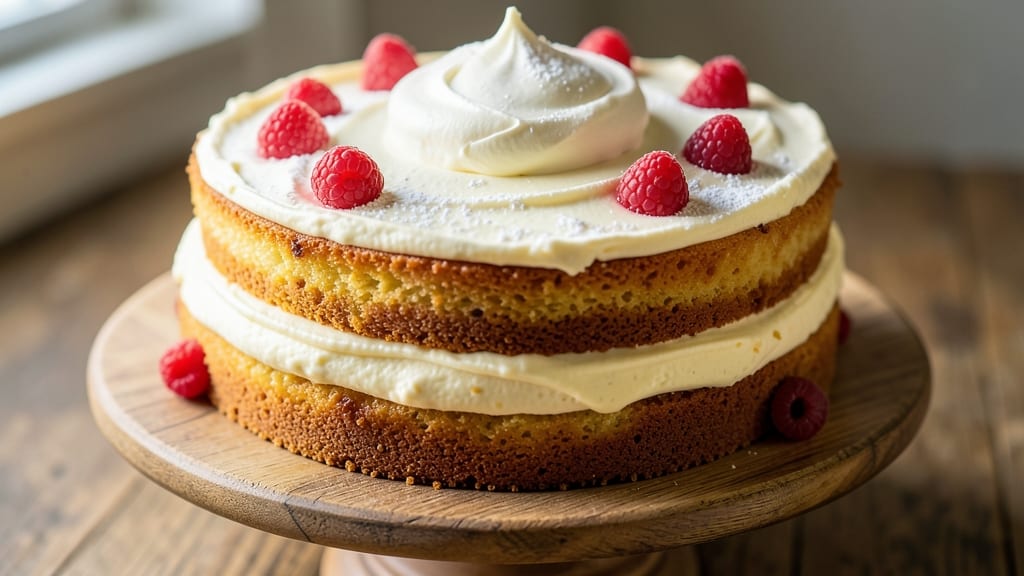
This Philadelphia cream cheese pound cake recipe delivers the perfect balance of dense, moist layers and tangy cream cheese swirls that make every slice unforgettable. The secret lies in high-ratio flour and sugar, creating that signature tender crumb while the cream cheese adds a rich, velvety contrast.
I developed this recipe after years of testing—each batch refined to ensure the swirls stay distinct and the texture remains perfectly moist.
The beauty of this pound cake is its versatility—serve it plain for a classic dessert, or frost with a simple glaze for an elegant touch. The recipe uses 5 ingredients that do the heavy lifting: butter, sugar, eggs, cream cheese, and flour.
Baking at 350°F for 50-60 minutes ensures a golden crust and a tender interior, while the cream cheese swirls remain luscious and visible in every slice.
What you’ll end up with is a cake that’s rich yet not overly sweet, with layers so tender they practically melt in your mouth. The cream cheese swirls cut through the buttery richness, creating a perfect harmony of flavors.
This is the kind of dessert that disappears quickly—whether you’re serving it at a holiday gathering or enjoying a quiet afternoon treat.
Ready to bake? Here’s everything you need to create a pound cake that rivals the best bakery versions. Let’s get started!
Ingredients for philadelphia cream cheese pound cake
Five core ingredients transform into a showstopper cake with swirls that beg for seconds.
| Ingredient | Amount | Notes |
|---|---|---|
| Unsalted Butter 🧈 | 1 ½ cups | Room temperature, not melted |
| Granulated Sugar 🍚 | 2 ½ cups | Superfine preferred for smoothness |
| Philadelphia Brand Cream Cheese 🧀 | 8 oz | Full-fat, room temperature |
| Large Eggs 🥚 | 4 whole | Room temperature, separated |
| All-Purpose Flour 🌾 | 2 ½ cups | High-ratio preferred, sifted |
| Vanilla Extract 🌸 | 2 tsp | Pure vanilla, not imitation |
| Baking Powder 🍞 | 2 tsp | Aluminum-free preferred |
| Salt 🧂 | ½ tsp | Fine sea salt |
| Powdered Sugar 🍚 | ½ cup | For glaze, optional |
| Milk 🥛 | ½ cup | Whole milk preferred |
| Lemon Juice 🍋 | 1 tbsp | Freshly squeezed |
The Philadelphia brand cream cheese is non-negotiable here—it's the star of the show. Grab the full-fat, 8-ounce blocks from the dairy case, not the tubs. Room temperature is key: soften it for 30 minutes before mixing. For the butter, Crisco All-Vegetable Shortening works too if you want extra moisture. The flour? King Arthur or Gold Medal are my go-tos—they're high-ratio and give that signature tender crumb. Pro tip: Sift it with the baking powder and salt to avoid lumps. And don't skip the vanilla—Nestlé Pure is my favorite, but anything pure will do.
No Philadelphia cream cheese? Whipped cream cheese won't work—this needs the tangy, dense texture. Short on butter? Vegetable shortening at the same weight keeps it moist longer. The milk can be swapped for heavy cream if you want extra richness, but whole milk gives perfect structure. For the glaze, powdered sugar and milk make it simple, but egg whites whipped with powdered sugar create a stunning mirror glaze. Want more swirls? Divide the batter, mix in extra cream cheese to one half, then swirl together before baking—trust me, it's worth the extra minute.
This cake keeps beautifully for 3 days at room temperature wrapped in plastic, or 5 days in the fridge. For longer storage, freeze slices wrapped individually—they thaw in 10 minutes at room temp. The glaze sets quickly, so assemble it right before serving. Double the recipe? Bake in a 10-inch tube pan or two 9-inch rounds for perfect portions. And if you're feeling fancy, dust with powdered sugar or add a sprinkle of citrus zest on top before baking.
Why You'll Love This Recipe
- No Mixer Needed: I swear by this recipe when I’m in a rush—just cream the butter and sugar by hand (or with a fork), fold in the cream cheese, and let the eggs and flour do the rest. No stand mixer, no stress, just a tender crumb every time.
- Rich Without Overpowering: That creamy Philadelphia brand tang cuts through the sweetness perfectly—like a hug for your taste buds. The butter keeps it moist, but the flour gives it just enough structure so it doesn’t turn into a dense brick.
- Breakfast or Dessert: Honestly, I’ve served this for brunch with berries and whipped cream, and as a midnight snack with a drizzle of honey. The crowd goes wild either way, and it’s always a hit when I’m hosting.
- Lasts for Days: I make a double batch on Sundays, and it’s still perfect by Thursday. Slice it, wrap it, and stash it—no weird texture changes, no sad crumbs. Plus, the cream cheese keeps it fresh longer than your average pound cake.
Step-by-step instructions for Philadelphia cream cheese pound cake
This rich, moist pound cake delivers decadent cream cheese swirls with every slice—here's exactly how to make it perfect.
Cream Butter, Sugar, and Cream Cheese Together
In a stand mixer fitted with the paddle attachment, combine the 1.5 cups unsalted butter, 2.5 cups granulated sugar, and 8 oz Philadelphia brand cream cheese on medium speed. Beat for 5-7 minutes until the mixture is light, fluffy, and nearly doubles in volume. You'll see the butter and cream cheese fully incorporate, leaving no lumps behind.
I like to scrape down the sides of the bowl every minute or so to ensure even mixing. This step is crucial—properly creaming the butter and cream cheese creates the cake's signature tender crumb. If you notice the mixture is too thick, add 1 tablespoon of milk to help it come together smoothly.
Add Eggs and Vanilla Extract
Add the 4 whole large eggs, one at a time, mixing on low speed after each addition until fully incorporated. This prevents the eggs from scrambling. After all eggs are added, stir in the 2 teaspoons vanilla extract and mix for another 30 seconds on low speed.
The mixture will look slightly curdled at first, but don't worry—it will come together beautifully once you add the dry ingredients. Here's the thing: room-temperature eggs are essential for proper emulsification. If your eggs are cold, let them sit at room temperature for 30 minutes before using.
Combine Dry Ingredients and Fold Gently
In a separate bowl, whisk together the 2.5 cups all-purpose flour, 2 teaspoons baking powder, and 0.5 teaspoon salt. Sift the flour mixture directly into the wet ingredients, mixing on low speed just until combined. Overmixing develops gluten, which can make the cake dense instead of tender.
Once the flour is incorporated, add the 0.5 cup milk and 1 tablespoon lemon juice, mixing on low speed for another 30 seconds until just combined. The batter should be thick but pourable. Don't be tempted to mix longer—this cake relies on a delicate balance of ingredients for its signature moist texture.
Prepare the Cream Cheese Swirl Dough
Divide the batter evenly between two 9-inch round cake pans lined with parchment paper. For the swirl effect, take half of the remaining batter and mix it with 4 ounces of the Philadelphia brand cream cheese (reserve the rest for another use or save for later). Spread this cream cheese mixture evenly over the batter in each pan.
Using a knife or spatula, gently swirl the cream cheese mixture through the batter in each pan. This creates those beautiful marbled layers you see in the finished cake. Tap the pans gently on the counter to release any air bubbles, then smooth the tops with a spatula.
Bake to Golden Perfection
Preheat your oven to 350°F and place the cake pans inside to warm for 10 minutes. This ensures even baking. Bake the cakes for 50-60 minutes, or until a toothpick inserted into the center comes out clean. The tops should be golden brown, and the edges should pull away slightly from the pan.
I know it's tempting to open the oven door early, but resist! The cakes need to bake evenly. If the tops brown too quickly, tent them loosely with aluminum foil. Once baked, let the cakes cool in their pans for 10 minutes, then transfer to a wire rack to cool completely before frosting or slicing.
Optional Powdered Sugar Glaze
For an elegant finish, whisk together the 0.5 cup powdered sugar with 1-2 tablespoons milk until smooth. Drizzle or brush this glaze over the cooled cake layers. The glaze adds a touch of sweetness and makes the cake look stunning for special occasions.
This cake keeps well at room temperature for 3 days or can be refrigerated for up to 5 days. For the best texture, serve it at room temperature. The cream cheese swirls will be rich and creamy, while the crumb remains moist and tender—every bite is pure comfort!
Pro Tips For Making Philadelphia Cream Cheese Pound Cake
- Cream Cheese First: Mix the softened cream cheese and sugar before adding butter—this prevents lumps and gives the batter a smoother, richer texture. I used to add everything at once, and the result was always slightly grainy, no matter how much I beat it.
- Room-Temp Eggs Matter: Let your eggs sit in warm water for 5 minutes before cracking them—this ensures they blend evenly into the batter and don’t curdle the cream cheese. Cold eggs are a sneaky way to end up with a cake that’s dense instead of tender.
- Skip Overmixing: Fold in the flour just until combined—overmixing develops gluten and turns your pound cake into a dense brick. I learned this after pulling apart a batch that looked perfect but crumbled like a stale biscuit.
- Grease Pan and Line It: Butter the pan and line it with parchment—this guarantees easy release and prevents the bottom from browning too fast. I’ve seen cakes stick like glue when people skip the parchment, no matter how well they grease.
Essential equipment for this recipe
Stand Mixer Essentials
Your stand mixer is the MVP for this cake—no hand-mixing here! I swear by a KitchenAid Artisan Series with the paddle attachment for creaming the butter, sugar, and cream cheese. The paddle ensures even mixing without overdeveloping the gluten.
If you're on a budget, a Cuisinart SM-50 works just as well. Pro tip: Use a medium bowl (not too small) to prevent splattering when mixing the eggs. 🌡️
Cake Pans Matter
Invest in two 9-inch round cake pans with 2-inch sides—they're non-negotiable for this recipe. I use Wilton Perfect Results pans because they distribute heat evenly. Line the bottoms with parchment paper to prevent sticking, and grease the sides lightly with butter or baking spray.
For extra insurance, dust the pans with flour before adding the batter. Never skip this step—it makes all the difference when removing the cake!
Cream Cheese Prep
The Philadelphia brand cream cheese needs to be room temperature—this is non-negotiable. I set my blocks on the counter 30 minutes before mixing. For the swirls, divide 4 ounces of the cream cheese into the batter.
Use a spatula to create clean, even swirls—no zigzagging! A bench scraper helps smooth the tops before baking. And trust me, full-fat cream cheese is worth the splurge for that rich, velvety texture. 🧀
Baking Tools You Need
You'll need a toothpick to test doneness (clean = done!) and a wire cooling rack to prevent soggy bottoms. I also keep a small offset spatula handy for spreading the batter evenly and a pastry brush for glaze application.
A digital oven thermometer ensures your oven is actually at 350°F—some ovens run hot or cold. And don’t forget aluminum foil for tenting if the tops brown too quickly.
Optional Extras
For the glaze, a whisk and small bowl are all you need. Want fancier swirls? Grab a piping bag with a plain tip to pipe extra cream cheese before baking. I also keep powdered sugar in a fine-mesh sieve for dusting.
And if you're feeling adventurous, a citrus zester adds bright notes with lemon or orange zest. These extras elevate the cake from homemade to bakery-worthy! ✨
Nutrition facts
Frequently asked questions
Can I substitute regular cream cheese for Philadelphia brand?
Philadelphia brand is ideal because of its tangy flavor and dense texture, but you can use other full-fat cream cheese brands in a pinch. Just make sure it's not whipped or low-fat—those won't give the same rich, velvety swirls. For best results, let the cream cheese soften to room temperature before mixing.
Why did my cake turn out dense instead of tender?
Overmixing is the most common culprit! Mix the dry ingredients just until combined to avoid developing gluten. Also, ensure your butter, eggs, and cream cheese are at room temperature—they should be soft but not melted. Another tip: don't overfill the pans (fill them no more than 2/3 full) to allow even baking.
How do I make this cake extra moist?
For a moister cake, replace 2 tablespoons of butter with 2 tablespoons of vegetable shortening—it stays fresh longer. You can also add 1 tablespoon of sour cream or yogurt to the batter for extra richness. Store the cake in an airtight container with a slice of bread to help retain moisture.
Can I bake this in a bundt pan instead of round pans?
A 10-12 cup bundt pan works beautifully for a single cake. Reduce the baking time to 40-50 minutes and check for doneness with a toothpick. For swirls, pipe half the cream cheese mixture into the batter before pouring it into the pan, then swirl gently with a knife. The bundt shape adds an elegant touch!
How can I tell when the cake is fully baked?
The cake is done when a toothpick inserted into the center comes out clean or with just a few moist crumbs. The edges should pull away slightly from the pan, and the top should spring back when gently pressed. Avoid opening the oven door early—this can cause the cake to sink. If the top browns too quickly, tent it with foil.