
Sauces & Condiments
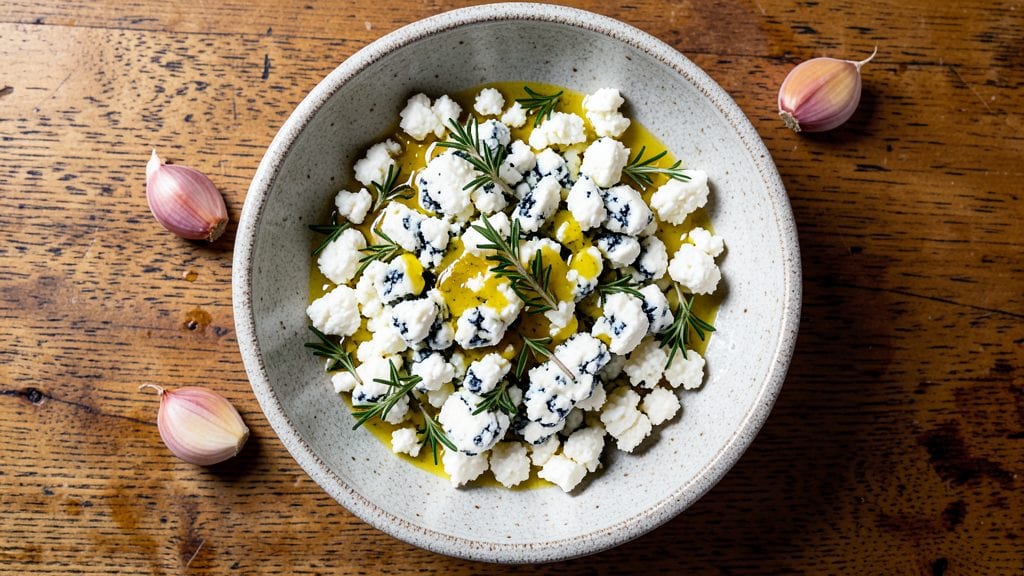
A cheese marinade recipe transforms ordinary grilled proteins into restaurant-worthy centerpieces with its rich, umami depth and creamy texture. This isn’t your typical marinade—it blends sharp cheeses like feta or blue cheese with tangy vinegar and aromatic herbs, creating a sauce that tenderizes meat while adding layers of flavor.
I developed this after years of experimenting with bold, cheese-forward marinades that elevate everything from chicken thighs to steak strips.
The beauty of this marinade lies in its versatility and simplicity. You’ll need just five core ingredients—cheese, vinegar, oil, garlic, and fresh herbs—to create a sauce that’s equal parts tenderizer and flavor bomb.
The cheese melts into a velvety emulsion when combined with acid, while the garlic and herbs infuse the proteins with aromatic complexity. It works best on grilled or broiled meats, but even roasted vegetables benefit from this bold, savory treatment.
What you’ll achieve is meat that’s not just flavorful, but juicy and deeply caramelized from the marinade’s natural sugars and fats. The cheese adds a creamy richness that pairs perfectly with smoky grill marks, while the vinegar ensures the sauce clings rather than burns.
This marinade also doubles as a finishing sauce—brush it on during the last minutes of grilling for an extra glossy, flavorful crust.
Store any leftovers in an airtight container for up to five days, though I rarely have any—it disappears faster than you can say "grill night." Pair it with hearty bread for dipping, or drizzle it over grilled vegetables for a cheesy, umami boost. Let’s get marinating!
Ingredients for cheese marinade
Five bold ingredients blend into a velvety marinade that turns grilled proteins into restaurant-worthy masterpieces.
| Ingredient | Amount | Notes |
|---|---|---|
| Feta Cheese 🧀 | ½ cup | Crumbled, salty variety preferred |
| Blue Cheese 🧀 | ½ cup | Crumbled, strong flavor profile |
| Extra-Virgin Olive Oil 🫒 | ½ cup | High-quality, fruity aroma |
| Red Wine Vinegar 🍷 | ¼ cup | Bold acidity for balance |
| Garlic Cloves 🧄 | 4 cloves | Freshly minced, aromatic intensity |
| Fresh Thyme Leaves 🌿 | ¼ cup | Finely chopped, bright herbal note |
| Fresh Rosemary 🌿 | 1 tbsp | Finely chopped, piney aroma |
| Diamond Crystal Kosher Salt 🧂 | 1 tsp | Fine grain for even dissolving |
| Black Peppercorns 🌶️ | ½ tsp | Freshly cracked for heat |
| Honey 🍯 | 1 tbsp | Light floral variety preferred |
The cheese duo is non-negotiable—feta and blue cheese deliver that signature tangy umami punch. Whole Foods or specialty cheese shops carry the best crumbled varieties, but don't stress if you grab pre-crumbled from the grocery store (just shake the bag well). For blue cheese, look for Gorgonzola or Roquefort if you want to splurge—both add deeper funk. The olive oil should be fruity and peppery, not mild. California Avocado Ranch or Colavita are my go-tos, but any extra-virgin with character works. Fresh herbs are worth hunting down at farmers markets—they pack more flavor than the wilted grocery store bunch.
No feta? Goat cheese at double the amount—it melts beautifully and adds tang. Blue cheese too expensive? Substitute crumbled Parmesan, but you'll lose some funk. Vinegar substitute? Balsamic vinegar works in a pinch, though it adds sweetness. The honey can be swapped for maple syrup if you're avoiding it, but it helps balance the acidity. For the garlic, roast it first if you want a sweeter, deeper flavor—just toss whole cloves in a 400°F oven for 10 minutes before mincing. And if you're short on herbs, dried thyme at half the amount gets you close, though fresh is ideal.
This marinade keeps beautifully—5 days in the fridge sealed in a jar. The cheese won't separate if you give it a quick whisk before using. For extra shelf life, freeze in ice cube trays—thaw and whisk when ready. The flavors actually improve after 24 hours as everything melds together. I always make double batches because it disappears fast—great for dipping grilled bread or tossing with roasted vegetables. Just don't marinate delicate fish longer than 30 minutes, or the acid will start breaking down the proteins.
Why You'll Love This Recipe
- Five-Ingredient Magic: I swear, this marinade is the kind of recipe that makes you question why you ever cooked anything else. Just crumble the cheeses, whisk in the olive oil and vinegar, then toss in minced garlic—no fancy techniques, no stress.
- Tangy Creamy Bomb: That first bite of something marinated in this? The feta’s salty crumble meets the blue cheese’s funk, all softened by the vinegar’s sharp bite. It’s the kind of flavor that lingers, making you reach for seconds without even thinking.
- Game for Any Protein: Grilled chicken? Check. Roasted veggies? Done. Even a simple salad gets a glow-up. I’ve used this on everything from weeknight dinners to Sunday brunches, and it never lets me down—no two meals feel the same.
- Pantry Staple Power: Honestly, you’re probably already stocked for this. Olive oil, vinegar, garlic—they’re basics. The cheeses? A block of each lasts forever, and you’ll use them up faster than you think. Plus, it keeps for days, so no wasted effort.
Step-by-step instructions for cheese marinade recipe
This bold umami marinade transforms grilled proteins with deep, complex flavors in minutes.
Crumble the Cheeses for Maximum Flavor Extraction
In a medium bowl, crumble the 0.5 cup feta cheese and 0.5 cup blue cheese using your fingers or a fork. You want small, even pieces—this ensures they dissolve completely into the marinade rather than creating clumps. The feta brings salty tang while the blue cheese delivers that signature funky depth. Set these aside temporarily while you prepare the remaining ingredients.
I like to use my fingers for this step—it gives me better control over the texture. If you're worried about cross-contamination, wear gloves or use a clean fork. The goal is to maximize surface area so the cheeses integrate smoothly without altering the marinade's consistency. This is where the magic begins, so don't rush it.
Combine Wet Ingredients for Balanced Flavor Foundation
In the same bowl with the crumbled cheeses, add the 0.5 cup extra-virgin olive oil, 0.25 cup red wine vinegar, and 1 tbsp honey. Whisk vigorously for 2 minutes until the mixture becomes emulsified and glossy. The olive oil provides richness, while the vinegar and honey create a perfect balance of acidity and sweetness that cuts through the cheese's intensity.
Here's the thing—this emulsification step is crucial. You'll know it's working when the mixture transforms from separate elements to a cohesive, velvety liquid. If it looks too thick, add 1 tablespoon of water to help it come together. The honey not only sweetens but also helps tenderize the meat during the marinating process.
Incorporate Aromatics and Herbs for Complex Layers
Add the 4 minced garlic cloves, 0.25 cup finely chopped fresh thyme leaves, and 1 tablespoon finely chopped fresh rosemary to the bowl. Stir well to distribute these aromatic ingredients evenly throughout the marinade. The garlic and herbs will infuse the cheese mixture with their signature brightness and earthiness, creating a multi-dimensional flavor profile that elevates any protein.
I always use freshly minced garlic and finely chopped herbs here—frozen or dried versions won't provide the same depth of flavor. The thyme brings a subtle lemony note while the rosemary adds piney complexity. Give everything a final stir to ensure no pockets of dry ingredients remain. This is where the marinade truly comes together as a cohesive, flavor-packed base.
Season and Rest for Flavor Development
Add the 1 teaspoon diamond crystal kosher salt and 0.5 teaspoon freshly cracked black peppercorns to the bowl. Stir thoroughly until the salt dissolves completely and the peppercorns are evenly distributed. The salt enhances all the flavors while the pepper adds a subtle heat that complements the cheese's richness.
Let the marinade rest for 15 minutes at room temperature before using. This resting period allows all the components to meld together, creating a more harmonious flavor profile. You'll notice the cheeses will begin to soften and integrate more fully into the mixture. The marinade should have a thick, creamy consistency with a vibrant, complex aroma that makes your mouth water.
Apply to Proteins and Marinate for Maximum Flavor
Transfer the marinade to a shallow dish or resealable plastic bag. Add your protein of choice—chicken, pork chops, or even fish fillets—and coat thoroughly. For best results, marinate for at least 2 hours in the refrigerator, turning occasionally to ensure even coating. The acidity in the vinegar helps tenderize the meat while the cheeses and herbs infuse it with their bold flavors.
I've found that this marinade works particularly well with chicken thighs or pork chops—proteins that can handle the robust flavors without becoming overwhelmed. If you're short on time, even 30 minutes of marinating will make a noticeable difference. The key is to keep the proteins refrigerated during the entire process to prevent bacterial growth while allowing the flavors to penetrate deeply.
Pro Tips For Making Cheese Marinade
- SALVAGE THE CHEESE: DESCRIPTION: If your feta or blue cheese is too hard or crumbly, toss it in warm water for 10 minutes first—it softens right up. Works like magic for that perfect creamy blend, and you won’t end up with gritty bits in your marinade.
- GARLIC TIMES TWO: DESCRIPTION: Roast the garlic cloves (whole, unpeeled) in olive oil at 400°F (200°C) for 15 minutes before blending—it caramelizes into sweetness that cuts through the tang. Skip this, and you’ll just get raw garlic punch.
- VINEGAR FIRST: DESCRIPTION: Whisk the red wine vinegar into the olive oil before adding the cheese, or you’ll end up with clumpy, uneven texture. Stir it in like you’re angry—this isn’t the time to be gentle.
- STRAIN THE GOOD STUFF: DESCRIPTION: After blending, let the marinade sit for 5 minutes, then strain out any liquid if it’s too thin. A fine-mesh sieve keeps the cheese bits but removes the watery mess—your meat (or veggies) will thank you.
Wine and beer pairings for this dish
Red Wine Pairings
This bold cheese marinade pairs beautifully with bold red wines that can stand up to its funky, umami depth. I always reach for a Syrah from the Northern Rhône Valley—its peppery, smoky notes complement the blue cheese perfectly while the dark fruit matches the marinade’s richness.
A Zinfandel from California, especially one with jammy blackberry flavors, also works wonderfully, as its natural sweetness balances the acidity. 🍷
Crisp White Options
For those who prefer white wine, a dry Riesling from Germany with its bright acidity and citrus notes creates an unexpected but harmonious pairing. The wine’s minerality cuts through the cheese’s creaminess, while its slight sweetness enhances the honey in the marinade. Avoid oaky Chardonnays—they’ll clash with the vinegar’s sharpness.
Beer Pairings
A Belgian-style witbier like Hoegaarden brings refreshing citrus and coriander notes that cleanse your palate between bites of cheesy, grilled proteins. For beer lovers, a dark ale with chocolate malt notes (like Guinness) creates a rich contrast that makes the marinade’s funk shine even brighter. 🍺
Non-Alcoholic Choices
Skip the alcohol? A sparkling grape juice like Martinelli’s Sparkling Cider mimics wine’s acidity and bubbles, while a ginger beer> adds a spicy kick that pairs surprisingly well with the rosemary and thyme.
For something simpler, try sparkling water with a splash of lemon juice—it’s refreshing and lets the marinade’s flavors take center stage.
After-Dinner Digestifs
Finish your meal with a Port wine or aged tawny Port—their nutty, caramelized notes echo the honey in the marinade while the wine’s sweetness soothes your palate. A dry sherry> also works beautifully, especially a Fino with its briny, almond-like complexity that complements the cheese’s funk.
Nutrition facts
Frequently asked questions
Can I use this cheese marinade on vegetables?
This marinade works beautifully on grilled or roasted vegetables like eggplant, bell peppers, or zucchini. The cheese adds richness while the acidity helps tenderize denser veggies. Just marinate for 30-60 minutes (no need to refrigerate) and grill or roast until tender. It's especially great on portobello mushrooms—they soak up the flavors like a sponge!
Why does my cheese marinade look grainy?
Graininess happens when cheese chunks don't fully emulsify. Whisk longer or add 1 tablespoon of water to help break it down. For smoother results, try blending the cheese with the vinegar first before adding other ingredients. If it's still too thick, strain it through a fine-mesh sieve to remove any remaining lumps.
How long can I marinate meat in this?
For most proteins like chicken or pork, 2-4 hours is ideal. Delicate fish should only marinate for 30 minutes to prevent over-tenderizing. The acidity in vinegar works as a tenderizer, but longer marinating times (over 6 hours) can make meats mushy. Always keep everything refrigerated during marinating.
Can I make this dairy-free?
Yes! Swap the cheeses for nutritional yeast (1/4 cup) and cashew cream (1/2 cup blended cashews + water). Use extra lemon juice (1 tbsp) to mimic the tang. The texture will be lighter, but you'll still get that umami depth. For extra richness, add 1 tbsp of white miso paste to the marinade.
Is this marinade safe to reuse?
No, it's not safe to reuse after marinating raw meat. The marinade picks up bacteria from the proteins, so discard it after use. For leftovers, store unused marinade in an airtight container in the fridge for up to 5 days. If you want to reuse the base, boil it for 5 minutes first to kill any potential bacteria before using on cooked foods.