Main Courses
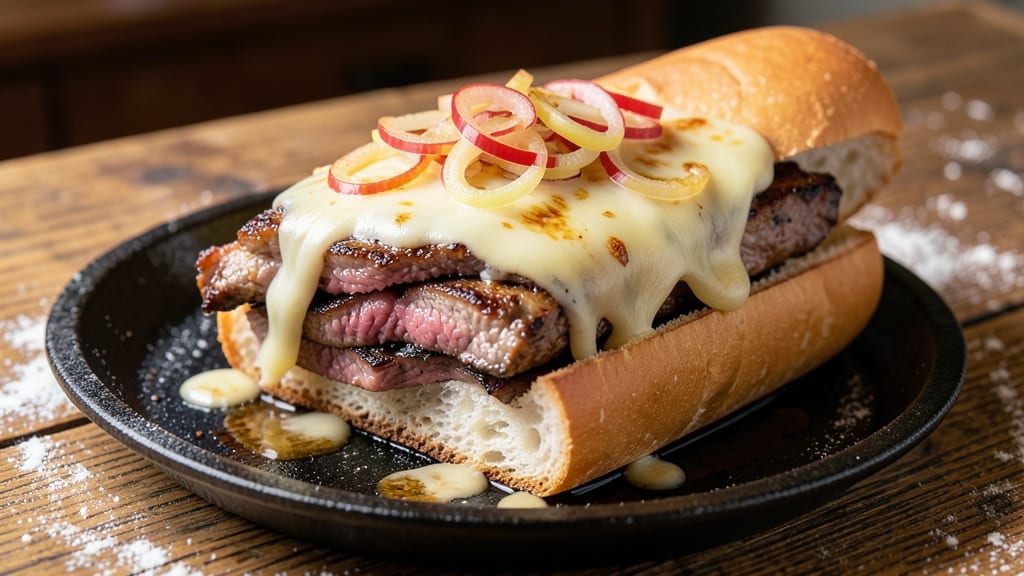
Recreating a classic Philly cheese steak at home means capturing the perfect balance of tender beef, melted provolone, and toasted bread—just like Pat’s iconic version. The secret lies in thinly sliced ribeye cooked to medium-rare and layered with cheese that melts into every bite.
I’ve perfected this technique after countless tests, ensuring the beef stays juicy while the cheese creates that signature gooey texture. This isn’t just a sandwich; it’s a taste of Philadelphia’s best, brought straight to your kitchen.
The foundation starts with high-quality ribeye, sliced paper-thin against the grain for maximum tenderness. A quick sear in a hot pan or on the grill—just 3 to 4 minutes per side—locks in the flavor without overcooking.
Meanwhile, the hoagie roll gets lightly toasted with butter, creating a crisp shell that holds up to the melty cheese. The provolone (or Cheese Whiz for authenticity) melts into a creamy blanket, while sautéed onions add a touch of sweetness that rounds out the flavors.
Assembling it right is key: start with the beef, then cheese, then onions, and finish with the toasted roll. The moment the cheese melts into a glossy, stretchy layer is what makes this dish unforgettable.
Whether you’re serving it at a game-day gathering or a casual weeknight dinner, this recipe delivers the restaurant-quality experience you crave—no trip to Philadelphia required.
Pro tip: Keep the beef warm in a low oven while you assemble, so every bite stays as tender as the first. Pair it with a side of fries or a simple salad to complete the meal.
This is the classic Philly cheese steak done right—simple, satisfying, and impossible to resist.
Ingredients for classic philly cheese steak
Pat's iconic flavors start with these 11 key ingredients—simple but game-changing for your homemade Philly cheese steak.
| Ingredient | Amount | Notes |
|---|---|---|
| Ribeye Steak 🥩 | 1 lb | Thinly sliced against grain |
| Provolone Cheese 🧀 | 8 oz | Sliced thin or use Cheese Whiz |
| Hoagie Rolls 🍞 | 4 whole | Freshly baked preferred |
| Yellow Onions 🧅 | 1 medium | Sliced thin for sweetness |
| Unsalted Butter 🧈 | 2 tbsp | Full-fat for toasting rolls |
| Olive Oil 🫒 | 1 tbsp | For searing beef |
| Diamond Crystal Kosher Salt 🧂 | ½ tsp | For seasoning beef |
| Freshly Ground Black Pepper 🌶️ | ¼ tsp | For beef seasoning |
| Garlic Cloves 🧄 | 2 cloves | Minced for optional flavor |
| Mayonnaise 🥫 | 1 tbsp | Optional for assembly |
| Worcestershire Sauce 🍶 | 1 tsp | Optional for beef marinade |
The ribeye is non-negotiable—look for well-marbled cuts at Whole Foods or your butcher shop. Slice it paper-thin against the grain (use a sharp knife or ask the butcher). For authenticity, Cheese Whiz works better than provolone slices—it melts into that signature stretchy layer. The hoagie rolls? Freshly baked from a bakery or Sara Lee rolls toasted until golden. Yellow onions should be sweet and crisp—avoid the wilted ones at the grocery store back.
No ribeye? Sirloin or flat iron work in a pinch, but slice extra thin. Cheese Whiz unavailable? Muenster or provolone in thin slices gets close. The Worcestershire sauce is optional but adds depth—Lea & Perrins is the gold standard. For extra flavor, sear the beef with garlic powder instead of fresh (no chopping required). The mayonnaise is just for assembly—skip it if you prefer dry toasted rolls. And if your onions are bitter? Soak them in cold water for 10 minutes to mellow the flavor.
Keep the sliced beef in the fridge until ready to cook—use within 2 days for best tenderness. Toasted rolls stay crisp for 30 minutes at room temp, then reheat in a 200°F oven to revive. Cheese Whiz? Store unopened for 6 months, opened for 3 months in the fridge. Pro move: assemble sandwiches ahead, then grill briefly before serving for that fresh-from-Pat’s experience.
Why You'll Love This Recipe
- No-Fuss Assembly: I swear by this recipe because it’s the kind of meal where you can slice the ribeye thin, caramelize those onions in butter until they’re sweet and jammy, and slap it all between rolls without overthinking. Honestly, the hardest part is deciding whether to use provolone or cheddar—then you’re done.
- Melty Magic: That first bite of warm, gooey provolone oozing over perfectly seared ribeye? It’s the kind of flavor combo that makes you pause mid-chew. The onions add this perfect sweetness that cuts through the richness, and the buttery roll soaks it all up like a dream.
- Tailgate or Tuesday: Between us, this is my go-to for game days, lazy Sundays, or when I’m too tired to cook but still want something satisfying. (Yes, even on a Tuesday night.) The rolls stay fresh for a day or two, and the leftovers? Just reheat the steak and cheese—no one will know the difference.
- Budget Win: A single ribeye stretches for two hearty sandwiches, and provolone’s cheaper than you’d think. I’ll be real: I’ve made this for $10 and fed four people, with enough left for lunch the next day. Plus, you’re not buying fancy ingredients—just good, simple stuff that hits the spot.
Step-by-step instructions for classic Philly cheese steak
Here's how to recreate that iconic Philly flavor right in your home kitchen.
Slice and Season the Ribeye
Remove the ribeye steak from the packaging and pat it completely dry with paper towels. I like to slice it thinly against the grain using a very sharp knife—about ¼-inch thick slices. This ensures tender bites that melt in your mouth. Arrange the slices in a single layer on a plate.
In a small bowl, combine the 0.5 teaspoon diamond crystal kosher salt and 0.25 teaspoon freshly ground black pepper. Generously sprinkle this seasoning over the steak slices, pressing it in lightly so it adheres. For an extra layer of flavor, you can add the 1 teaspoon Worcestershire sauce to the seasoning mix—this is optional but adds that classic Philly depth. Let the seasoned steak sit at room temperature for 10 minutes before cooking.
Cook the Steak to Juicy Perfection
Heat a large skillet over medium-high heat until it's hot but not smoking. Add the 1 tablespoon olive oil and let it shimmer for about 30 seconds. Add half of the sliced ribeye to the skillet, spreading them out in a single layer. Cook undisturbed for 1-2 minutes until the edges are deep golden brown and the steak releases easily from the pan.
Flip the steak slices and cook for another 1-2 minutes until they reach medium-rare doneness—you'll see a slight pink center. Remove the steak from the pan and set it aside on a plate. Repeat this process with the remaining steak slices, adding a bit more olive oil if needed to prevent sticking. The steak should be cooked just until tender—overcooking will make it tough.
Caramelize the Onions
In the same skillet (no need to clean it—the browned bits add flavor), reduce the heat to medium-low. Add the 1 medium yellow onions, sliced thinly, and cook them for about 10-12 minutes. Stir occasionally, allowing them to soften and caramelize until they're golden brown and sweet-smelling. This step is crucial—it transforms the onions from bland to rich and flavorful.
If the onions start to stick, add a splash of water and scrape up any browned bits from the bottom of the pan. These bits, called fond, are packed with flavor and should be incorporated into the onions. Once the onions are caramelized, remove them from the skillet and set them aside with the steak.
Assemble the Cheese Steaks
Toast the 4 whole hoagie rolls by cutting them in half lengthwise and spreading ½ tablespoon unsalted butter on the cut sides. Place the rolls, butter-side down, in a clean skillet over medium heat for 1-2 minutes until they're golden and crispy. Keep them warm while you assemble the sandwiches.
To assemble each cheese steak, layer half of the sliced ribeye on the bottom half of a toasted roll. Add half of the caramelized onions, then top with about 2 ounces provolone cheese (or use Cheese Whiz for that classic Philly texture). Add a dollop of 1 tablespoon mayonnaise if you like, then place the top half of the roll on the sandwich. Repeat with the remaining ingredients to make all four sandwiches.
Melt and Serve
Return the assembled cheese steaks to the skillet over medium-low heat for 2-3 minutes per side. This allows the cheese to melt completely and the rolls to become slightly crispy again. You'll know they're ready when the cheese is fully melted and the sandwiches are heated through.
Press down gently on each sandwich to help the cheese melt evenly. Serve immediately while the rolls are warm and the cheese is gooey. The combination of tender steak, caramelized onions, and melted cheese between a crispy roll is pure Philly perfection. Enjoy with a side of fries or coleslaw for the full experience!
Pro Tips For Making Classic Philly Cheese Steak
- Sear Ribeye Fast: Hit the pan with a screaming-hot cast iron—ribeye should hit 130°F internal in 2-3 minutes per side, no more. Overcooking turns it chewy, and nobody wants sad steak between a cheesy, toasty roll.
- Slice Onions Thin: Use a mandoline or sharp knife to cut onions into paper-thin rings. Thick slices burn before they soften, and you want them melting into the butter, not sitting like tough little chips.
- Skip Pre-Slicing Provolone: Whole slices melt better than pre-shredded—no weird stringy bits, just gooey perfection. Tear the cheese into rough chunks so it blankets the steak evenly when it melts.
- Toast Rolls Indirectly: Warm the hoagie rolls in the oven (350°F for 5 minutes) instead of direct flame. They’ll crisp without burning while you finish the steak—no more charred edges or soggy bread.
Troubleshooting this recipe
Cheese Not Melting
If your cheese isn't melting properly, it's likely because the sandwich isn't hot enough. Place the assembled cheese steaks under a broiler on high for 1-2 minutes—just watch closely to avoid burning.
For extra gooeyness, use Cheese Whiz (it's designed for this!) or spread a thin layer of mayonnaise on the bread before adding cheese. This creates a binder that helps the cheese melt more evenly. 🧀
Steak Too Tough
Overcooked steak ruins everything. Keep your pan at medium-high heat and cook the slices for only 1-2 minutes per side—they should be medium-rare with a slight pink center. For extra tenderness, slice the beef against the grain and use a sharp knife (a dull blade crushes the fibers).
If your steak is already tough, try slicing it thinner next time or use sirloin instead of ribeye. 🥩
Rolls Turning Soggy
Toast your rolls just before assembling—don't do it too far in advance. If they start to soften, pop them back in a 200°F oven for 2-3 minutes to crisp them up.
For extra protection, butter the inside of the roll (not just the cut sides) before assembling. I also recommend Sara Lee hoagie rolls—they hold up better than some store-bought brands. 🍞
Onions Burning
Caramelizing onions requires patience. Keep the heat at medium-low and stir frequently to prevent burning. If they start to brown too quickly, reduce the heat further or cover the pan for 1-2 minutes to steam them gently.
A splash of water can also help deglaze and mellow the flavor. The goal is golden, sweet onions—not charred bits. 🧅
Cheese Leaking Out
If cheese is oozing out the sides, your sandwich might be overstuffed. Use thin slices of cheese (or Cheese Whiz) and just enough steak to fill the roll without bulging. Press down gently on the sandwich while it melts to help the cheese distribute evenly.
For a cleaner look, assemble the sandwich right before serving—don't make it too far ahead. 🧈
Skillet Not Hot Enough
A cold skillet = sad cheese steaks. Make sure your pan is ripping hot before adding the beef or onions. If your stove struggles with heat, preheat the pan for 2-3 minutes before cooking.
For extra crispiness, use a cast-iron skillet—it retains heat better than nonstick. And always clean the pan thoroughly before toasting the rolls to avoid greasy bread. 🔥
Nutrition facts
Frequently asked questions
What's the best cut of beef for a Philly cheese steak?
Use ribeye for the most flavorful, tender results—it's the traditional choice. If unavailable, sirloin or flat iron work well when sliced paper-thin against the grain. Avoid lean cuts like round steak, as they dry out quickly during cooking.
Can I make this recipe without a grill or stovetop?
For a grill-free version, use a skillet over medium-high heat or even a grill pan. For oven-only cooking, broil the assembled sandwiches on a baking sheet for 2-3 minutes until the cheese melts. Just watch closely to prevent burning.
Why does my cheese steak get soggy?
Soggy sandwiches usually happen when rolls aren't toasted enough or cheese melts too slowly. Toast rolls just before assembling and keep them warm in a 200°F oven while cooking. For extra crispiness, butter the inside of the roll before adding fillings.
What's the difference between Cheese Whiz and provolone?
Cheese Whiz is the authentic choice—it melts into that signature stretchy, gooey layer. Provolone slices work but may not melt as smoothly. For best results, use Cheese Whiz or thinly sliced provolone (or a mix of both) to get that classic Philly texture.
Can I make this ahead of time?
Assemble the sandwiches right before serving for the best texture. If prepping ahead, keep components separate: cook steak and onions, toast rolls, and store cheese separately. Reheat steak in a pan for 1 minute and toast rolls again before assembling.