Breakfast & Brunch
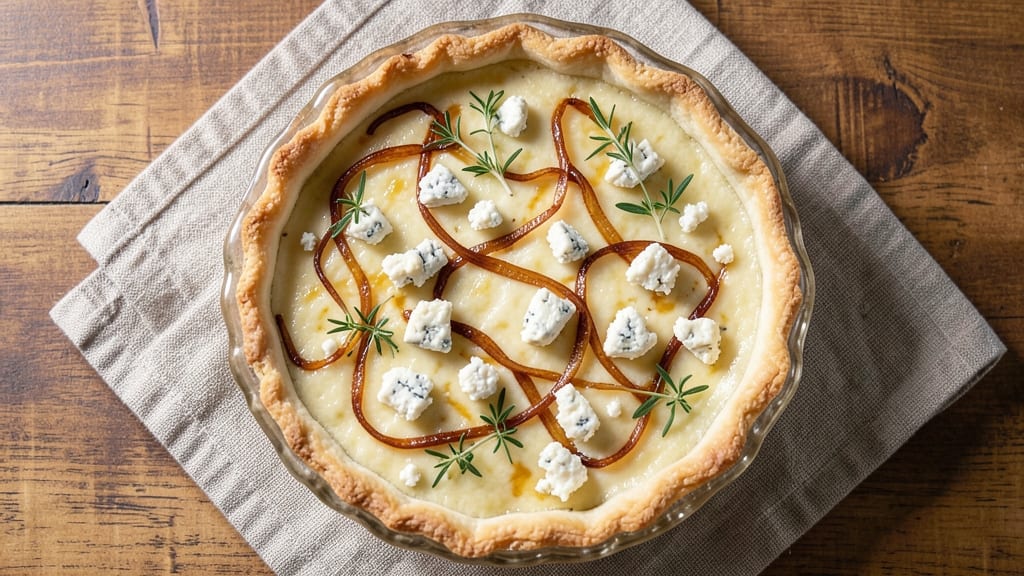
A feta cheese quiche delivers the perfect balance of flaky crust and rich, tangy filling that makes breakfast feel like a gourmet meal. The combination of creamy eggs, crumbled feta, and savory vegetables creates a dish that’s both comforting and elegant—ideal for brunch, dinner, or even a light lunch.
I’ve perfected this recipe to ensure the crust stays crisp while the filling remains perfectly set, with no risk of a soggy bottom.
The beauty of this quiche lies in its versatility—you can customize it with spinach, sun-dried tomatoes, or even herbs like thyme or rosemary to suit your taste. A homemade crust adds that extra layer of flakiness, though a high-quality store-bought version works beautifully too.
The key is baking it until the edges are golden and the center is just set, ensuring every bite is rich, creamy, and satisfying.
What you’ll end up with is a golden, flaky quiche with a tangy feta filling that melts into the eggs, creating a harmonious blend of textures and flavors. It’s hearty enough to serve as a main dish but light enough for a quick breakfast.
Pair it with a fresh salad or crusty bread for the full experience, and you’ll have a dish that’s sure to impress.
Whether you’re hosting a brunch or simply craving a delicious meal, this quiche is foolproof and adaptable. The recipe includes clear instructions for both crust and filling, along with tips for variations to keep things interesting. Let’s get started on creating your perfect feta cheese quiche!
Ingredients for feta cheese quiche
Six simple ingredients transform into a golden, flaky quiche with tangy feta filling.
| Ingredient | Amount | Notes |
|---|---|---|
| All-Purpose Flour 🌾 | 2 ½ cups | Sifted for flaky crust |
| Cold Unsalted Butter 🧈 | 1 cup | Cubed, full-fat preferred |
| Ice Water 💧 | ½ cup | Chilled for dough handling |
| Large Eggs 🥚 | 6 whole | Room temperature preferred |
| Heavy Cream 🥛 | 1 cup | Full-fat for richness |
| Crumbled Feta Cheese 🧀 | 1 ½ cups | High-quality, crumbled by hand |
| Red Bell Pepper 🍅 | ½ cup | Diced, fresh or frozen |
| Yellow Onion 🧅 | ½ cup | Finely chopped, sweet variety |
| Fresh Spinach 🌿 | 2 cups | Chopped, loosely packed |
| Salt 🧂 | 1 ½ tsp | Diamond Crystal preferred |
| Black Pepper 🌶️ | ½ tsp | Freshly ground for heat |
| Dried Thyme 🌿 | 1 tsp | Or 1 tbsp fresh thyme |
The butter and flour are your crust foundation—cold butter is non-negotiable for flakiness. I always grab Plugrá butter from the refrigerated section at Whole Foods for its high fat content, but any good European-style butter works. For flour, King Arthur All-Purpose gives the best texture, but Gold Medal from the grocery store is fine too. The feta? Grab a wedge from the deli counter—pre-crumbled feta gets clumpy and lacks that perfect melt. Look for blocks labeled 'farmhouse' or 'sheep's milk' for extra richness. Fresh spinach wilts down significantly, so buy a big bunch and use half for this recipe.
No heavy cream? Whole milk plus 2 tbsp melted butter works in a pinch, though the texture will be slightly lighter. Substituting feta? Goat cheese or ricotta both work well—just reduce the amount by 25% since they're creamier. Running low on spinach? Sun-dried tomatoes or roasted red peppers add depth without bulk. The bell pepper and onion can be swapped for asparagus or zucchini if you're feeling adventurous. For the crust, Pillsbury refrigerated pie crust is a lifesaver if you're short on time—just brush it with egg wash before baking.
This quiche reheats beautifully—just 5 minutes at 350°F until warmed through. The crust stays crisp if you cover it loosely with foil. Store leftovers in an airtight container for up to 4 days in the fridge. For make-ahead prep, assemble the quiche, cover, and refrigerate overnight before baking—this lets the flavors meld perfectly. Freeze portions by wrapping individual slices in plastic wrap, then place them in a freezer bag for up to 3 months. Just thaw overnight in the fridge before reheating.
Why You'll Love This Recipe
- No-Fuss Crust: I swear by this butter-and-flour crust—just pulse, press, chill. No rolling pins, no stress, and it stays flaky even when I forget to chill it (though I won’t tell if you do too).
- Salty Creamy Magic: That first bite of tangy feta melting into the custard? It’s like a hug for your taste buds. The heavy cream makes it rich, but the eggs keep it light—no one ever leaves a slice.
- Office Picnic Star: Between us, this is my go-to for potlucks or lunchboxes. Slice it up, wrap it in foil, and it stays fresh for days. My coworkers actually look forward to my contributions now.
- Budget Breakfast Win: Eggs, butter, flour—those are staples I already have. Feta’s cheap in bulk, and one quiche stretches to three meals: breakfast, lunch, or a midnight snack when the craving hits.
Step-by-step instructions for feta cheese quiche with flaky crust
Let's build this quiche from the ground up—crispy crust, creamy filling, and that perfect tangy feta melt.
Craft the Perfect Flaky Crust
In a large mixing bowl, combine the 2.5 cups all-purpose flour with the 1.5 tsp salt and 1 tsp dried thyme. Whisk just until the flour is evenly distributed—you don't want to develop any gluten here. The key to flaky layers lies in keeping everything cold and handling the dough minimally.
Cut the 1 cup cold unsalted butter into ¼-inch cubes and add them to the flour mixture. Use your fingers or a pastry cutter to work the butter into the flour until you have pea-sized pieces distributed throughout. This cold butter will create steam pockets as it melts, giving you that signature flakiness.
Add the ½ cup ice water gradually, one tablespoon at a time, mixing gently with a fork. The dough should come together just enough to hold when pressed, but don't overwork it. Once combined, shape the dough into a disc, wrap it in plastic wrap, and refrigerate for at least 1 hour—this resting period is crucial for the gluten to relax and the butter to firm up again.
Prepare the Filling Components
While the crust chills, it's time to prep the filling. In a large skillet over medium heat, melt 2 tablespoons of the cold unsalted butter (reserve the rest for brushing). Add the ½ cup finely chopped yellow onion and ½ cup diced red bell pepper, cooking for 5-6 minutes until they soften and become translucent.
Push the vegetables to one side of the skillet and add another 2 tablespoons of butter. Toss in the 2 cups chopped fresh spinach and cook just until wilted—about 2-3 minutes. Remove from heat and transfer the vegetable mixture to a bowl. Stir in the 1.5 cups crumbled feta cheese, ½ tsp black pepper, and let it cool completely before assembling.
Assemble the Quiche with Precision
Preheat your oven to 375°F. On a lightly floured surface, roll out the chilled dough to about ¼-inch thickness, large enough to fit a 9-inch pie dish with some overhang. Gently transfer the dough to the pie dish, pressing it lightly into the bottom and up the sides. Trim any excess dough, leaving about ½ inch border.
Create a crimped edge by pinching the dough between your thumb and index finger all around the pie dish. This prevents the crust from shrinking during baking. Line the crust with a round of parchment paper or aluminum foil, then fill it with pie weights or dried beans. Bake for 15 minutes—this pre-baking step, called blind baking, prevents a soggy bottom.
Remove the weights and bake the crust for an additional 5 minutes until it's lightly golden. This is the moment that matters: the crust should be firm enough to hold the filling but not so browned that it becomes tough. While still warm, brush the crust with the remaining 2 tablespoons melted butter for extra richness.
Create the Creamy Feta Filling
In a medium bowl, whisk together the 6 whole large eggs and 1 cup heavy cream until well combined. Season with the remaining ½ tsp salt (adjust if your feta is particularly salty). Stir in the cooled vegetable-feta mixture, ensuring even distribution throughout the custard.
Pour the egg mixture into the pre-baked crust, spreading it evenly with a spatula. The filling should come about ½ inch below the top edge of the crust—this prevents overflow and ensures even baking. For a golden finish, sprinkle additional ¼ cup crumbled feta cheese on top.
Bake to Golden Perfection
Return the quiche to the oven and bake for 35-40 minutes until the center is just set and the top is golden brown. You'll know it's done when a knife inserted near the center comes out clean, but the filling should still be slightly wobbly in the center—this ensures a creamy texture.
Let the quiche rest for 15 minutes before slicing. This resting period allows the filling to fully set and makes it easier to serve without spilling. Cut into 6 equal wedges and serve warm with a side salad or crusty bread. The crust should be crisp and flaky, the filling creamy with pockets of melted feta, and each bite should deliver that perfect balance of tangy, salty, and rich flavors.
Pro Tips For Making Feta Cheese Quiche
- CHILL THE CREAM: Heavy cream straight from the fridge whips up faster and holds air better—skip the room-temperature wait. I used to ignore this and ended up with a filling that was too dense and separated later. Just pop it in the fridge for 15 minutes before whipping.
- SALT THE CRUST WELL: Unsalted butter means your crust will taste bland if you skip this. Sprinkle 1 teaspoon of salt directly into the flour before mixing—it distributes evenly and saves you from remembering to add it later. (Yes, even if your recipe says otherwise.)
- DON’T OVERMIX THE FILLING: Feta crumbles and heavy cream are a match made in heaven, but overworking the filling makes it tough. Fold in the cheese and herbs just until combined—lumps are fine, and they’ll melt into creamy pockets. I learned this after one quiche turned out like a dense cheesecake.
- BAKE UNTIL GOLDEN, NOT JUST SET: A quiche looks done when the edges lift, but the center needs another 5–10 minutes to set fully. The top should be golden, not pale—this means the eggs are cooked through and the crust isn’t soggy. (Pro move: Rotate the pan halfway if your oven’s hot spots are uneven.)
Flavor customization for feta cheese quiche
Herb-Infused Variations
Swap out thyme for fresh rosemary or dried oregano—both add earthy depth that pairs beautifully with feta. I like using 1 tablespoon chopped rosemary along with the spinach for a Mediterranean twist.
For a brighter profile, add 1 teaspoon lemon zest to the egg mixture before baking. The citrus cuts through the richness and brightens every bite. 🌿
Spicy Kick Options
For heat lovers, fold ½ teaspoon smoked paprika or ¼ teaspoon cayenne pepper into the egg mixture. I also recommend adding 2 tablespoons chopped sun-dried tomatoes (oil-packed) to the vegetable sauté—they bring a concentrated burst of flavor that stands up to the feta.
Finish with a sprinkle of red pepper flakes on top before baking for extra heat. 🌶️
Cheese Swaps
Need a dairy alternative? Try vegan feta (like Follow Your Heart brand) or marinated tofu crumbles for a protein-packed variation. For a richer texture, replace half the feta with ricotta cheese—it blends smoothly into the custard while adding creaminess.
If you love blue cheese, crumbled Gorgonzola adds a bold, tangy contrast that works surprisingly well. 🧀
Vegetable Boosts
Add ½ cup diced zucchini (sautéed until tender) for moisture, or ½ cup roasted cherry tomatoes for natural sweetness. I also love tossing in ¼ cup chopped kalamata olives for briny contrast.
For a heartier quiche, stir in ½ cup cooked quinoa or chickpeas into the filling—both absorb flavors beautifully while adding texture. 🥒
Sweet & Savory Fusion
Balance the tangy feta with caramelized onions (cook until deep golden) and a touch of sweetness from 1 tablespoon honey stirred into the egg mixture. Top with thin apple slices baked into the crust for a crisp, sweet contrast.
This variation works beautifully for brunch crowds who enjoy unexpected flavor combinations. 🍯
Protein Upgrades
For a heartier meal, fold ½ cup cooked bacon bits or crumbled sausage into the filling. I also recommend adding ¼ cup chopped walnuts for crunch and healthy fats. For a seafood twist, stir in ½ cup cooked shrimp or smoked salmon flakes—both pair wonderfully with the creamy custard. 🍳
Nutrition facts
Frequently asked questions
Can I make this quiche without a homemade crust?
A high-quality store-bought crust works perfectly—just look for one with at least 16% fat content for maximum flakiness. Brands like Pillsbury Refrigerated Pie Crust or Trader Joe's frozen puff pastry are excellent shortcuts. Pre-bake it the same way (with weights) for 15 minutes at 375°F before adding the filling.
How do I prevent a soggy crust?
The secret is blind baking—pre-bake the crust with pie weights or dried beans for 15 minutes before adding filling. This removes moisture and creates a sturdy base. After removing the weights, bake another 5 minutes until golden. Never skip this step—it's what keeps the crust crisp!
Can I prep the filling ahead of time?
Yes! Assemble the quiche (including crust and filling) in your pie dish, then cover tightly with plastic wrap. Refrigerate for up to 24 hours before baking. This lets flavors meld beautifully. For best results, bake straight from the fridge—no need to bring to room temperature.
What's the best way to reheat leftovers?
Slice the quiche and reheat portions in a 350°F oven for 5-7 minutes until warmed through. For microwave reheating, cover with a damp paper towel and heat for 30 seconds—this prevents drying. The crust stays crisp if you cover it loosely with foil during oven reheating.
Why did my quiche come out too runny?
Overbaking causes runny centers—aim for a filling that's just set (a knife should come out clean but slightly moist). For extra insurance, bake at 350°F instead of 375°F and check at 30 minutes. Undercooked eggs are safer than overcooked! Also ensure your eggs are at room temperature for even cooking.