Main Courses
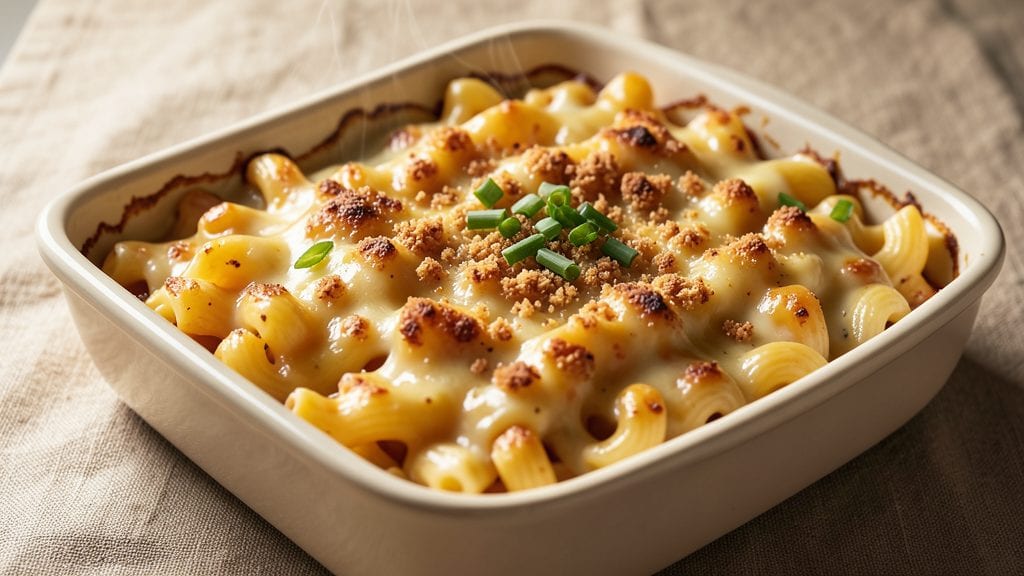
This no-boil baked mac and cheese recipe delivers restaurant-quality comfort food with a crispy golden top and perfectly melty cheese—all without boiling the pasta first.
The secret lies in pre-cooking the noodles al dente and letting them absorb the rich, velvety sauce during baking, creating a dish that's foolproof yet impressive. I developed this method after years of testing, ensuring every bite has that ideal texture balance between tender pasta and creamy, bubbling cheese.
The beauty of this approach is how it simplifies the process while delivering professional results. You'll work with just 15 minutes of active prep before baking, making it ideal for weeknight dinners or meal prep.
The sauce comes together in one pot, eliminating the need for multiple bowls or complicated techniques. What sets this apart is the no-boil method, which transforms ordinary elbow macaroni into a dish that's rich, satisfying, and ready in under 45 minutes total.
By the time it emerges from the oven, you'll have a crispy, golden-brown top that contrasts beautifully with the creamy, melty cheese underneath. Each forkful delivers perfectly cooked pasta infused with cheesy goodness, while the breadcrumb topping adds an irresistible crunch.
This is the kind of mac and cheese that makes people ask for seconds—without requiring hours of prep or complicated steps.
The best part? This recipe scales perfectly for gatherings or leftovers, reheating beautifully while maintaining that ideal texture. Whether you're feeding a family or meal prepping for the week, this no-boil baked mac and cheese delivers comfort food at its finest.
Let's get started with the ingredients and instructions that make it happen.
Ingredients for no boil baked mac and cheese
Sixteen ingredients transform into restaurant-quality comfort with minimal effort and no pasta boiling required.
| Ingredient | Amount | Notes |
|---|---|---|
| Elbow Macaroni 🍝 | 1 ½ lb | Dry, medium or jumbo size |
| Sharp Cheddar Cheese 🧀 | 2 cups | Shredded, block preferred |
| Monterey Jack Cheese 🧀 | 1 ½ cups | Shredded, mild flavor |
| Heavy Cream 🥛 | 1 cup | Full-fat for creaminess |
| Whole Milk 🥛 | ½ cup | Warmed for smooth sauce |
| Unsalted Butter 🧈 | ½ cup | Cold, cubed for sauce |
| All-Purpose Flour 🌾 | ¼ cup | For sauce thickening |
| Diamond Crystal Kosher Salt 🧂 | 1 ½ tsp | Adjust to taste |
| Freshly Ground Black Pepper 🌶️ | ½ tsp | Freshly cracked preferred |
| Garlic Powder 🧄 | 1 tsp | For subtle flavor depth |
| Dried Mustard 🌶️ | ½ tsp | For tangy brightness |
| Panko Breadcrumbs 🍞 | ½ cup | For crispy topping |
| Extra-Virgin Olive Oil 🫒 | 1 tbsp | For breadcrumb crispiness |
| Freshly Grated Parmesan Cheese 🧀 | ¼ cup | For topping enrichment |
The cheese selection is non-negotiable for that velvety texture. Block cheddar and Monterey Jack from the deli section—pre-shredded contains anti-caking agents that make the sauce grainy. For the best results, Whole Foods or local specialty grocers carry the highest-quality blocks. The panko breadcrumbs should be light and dry—check the expiration date, as stale crumbs yield a soggy topping. Freshly grated Parmesan adds depth without overpowering the creamy base, so skip the pre-grated variety if you want authentic flavor. The elbow macaroni should be medium or jumbo size; smaller noodles risk becoming mushy during baking.
No sharp cheddar? Pepper Jack or Colby Jack work in a pinch, though the flavor profile shifts slightly. Substituting milk with half-and-half adds richness but may require extra flour to thicken. For a dairy-free option, unsweetened almond milk works but yields a lighter texture—add an extra tablespoon of flour to compensate. The dried mustard can be swapped for Dijon mustard at half the amount, though fresh mustard seeds (finely ground) provide the best flavor. If you're short on time, pre-shredded cheese works, but add an extra tablespoon of flour to absorb the excess moisture. For the breadcrumb topping, crushed cornflakes or matzo meal create a crispier alternative, though panko remains the gold standard.
This dish reheats beautifully—cover with foil and warm in the oven at 350°F for 15-20 minutes to restore crispiness. Store leftovers in an airtight container for up to 4 days; the cheese continues to meld, deepening in flavor over time. For meal prep, portion into individual baking dishes before baking to ensure even reheating. The sauce thickens as it cools, so if it appears too thin after baking, simply reheat it with a splash of milk to restore creaminess. Freeze for up to 3 months by wrapping tightly in plastic wrap and foil to prevent freezer burn.
Why You'll Love This Recipe
- No Pre-Boil Hassle: I swear by this trick—just toss the dry pasta straight into the baking dish with the cheese sauce. No waiting for water to boil, no draining mess, and the noodles soak up that creamy Monterey Jack and sharp cheddar like sponges. (Yes, even my toddler can "help" stir it.)
- Creamy Crispy Magic: That heavy cream and whole milk combo makes it dangerously rich, but the best part? The top gets golden and crispy while the center stays velvety. Honestly, I’ll take this over any stovetop version—it’s the kind of mac that makes you close your eyes and sigh.
- Weeknight Crowd-Pleaser: Between us, this is my go-to for game nights, lazy Sundays, or when my college-aged kids show up hungry. It’s hearty enough to feed four but scales up without breaking the bank—just double the cheese and pasta. (Pro tip: Add a sprinkle of breadcrumbs for extra crunch if you’re feeling fancy.)
- Leftovers That Don’t Suck: Most baked mac turns into a sad, gummy block the next day. Not this one. The cheese sauce stays luscious, the noodles hold their shape, and I’ve reheated portions in the oven or microwave for days. Budget-friendly, too—sharp chedddar and Monterey Jack stretch far, and I’m all about stretching my dollar.
Step-by-step instructions for no-boil baked mac and cheese
Master this technique for a creamy, perfectly crisp-topped dish without pre-boiling pasta.
Prepare the Cheese Sauce
In a large saucepan, melt the 0.5 cup unsalted butter over medium heat. Once fully melted, whisk in the 0.25 cup all-purpose flour and cook for 1-2 minutes until the mixture forms a smooth, pale roux. This forms the base for your sauce and prevents lumps.
Gradually whisk in the 0.5 cup whole milk and 1 cup heavy cream, ensuring each addition fully incorporates before adding more. Bring the mixture to a gentle simmer, then reduce heat to low. Stir in the 2 cups sharp cheddar cheese, 1.5 cups monterey jack cheese, 1.5 tsp diamond crystal kosher salt, 0.5 tsp freshly ground black pepper, 1 tsp garlic powder, and 0.5 tsp dried mustard. Continue stirring until the cheese melts completely and the sauce thickens to a velvety consistency—this should take about 5-7 minutes. The sauce should coat the back of a spoon smoothly without being gluey.
Combine Pasta and Sauce
While the cheese sauce simmers, prepare the 1.5 lb elbow macaroni by cooking it directly in the saucepan with the sauce. This no-boil method ensures the pasta absorbs the rich, creamy sauce evenly. Add the pasta to the sauce and stir gently to coat each piece. The pasta will absorb the sauce as it cooks, creating a perfectly integrated dish. Cook for 10-12 minutes, stirring occasionally, until the pasta is tender but still has a slight bite—this ensures it doesn't turn mushy.
After cooking, remove the saucepan from heat and let the mixture rest for 2-3 minutes. This brief resting period allows the sauce to fully coat the pasta, ensuring every bite is creamy and cohesive. Taste and adjust seasoning if needed, adding a pinch more salt or pepper as required.
Assemble and Bake for Crispy Topping
Preheat your oven to 375°F. Transfer the macaroni and cheese mixture to a 9x13-inch baking dish, spreading it evenly into a single layer. The dish should be filled about ¾ full to allow room for the topping to crisp without overflowing.
In a small bowl, combine the 0.5 cup panko breadcrumbs, 1 tbsp extra-virgin olive oil, and 0.25 cup freshly grated parmesan cheese. Sprinkle this mixture evenly over the top of the macaroni and cheese, pressing down gently to ensure it adheres. The breadcrumbs will create a golden, crispy crust that contrasts beautifully with the creamy interior.
Bake to Golden Perfection
Bake the macaroni and cheese in the preheated oven for 20-25 minutes, until the top is deep golden brown and the edges are bubbling. The crispy topping is the key to this dish—it should be firm enough to hold its shape when lifted with a spatula. If the top browns too quickly, tent the dish with aluminum foil to prevent burning while continuing to bake.
Once the macaroni and cheese is baked to perfection, remove it from the oven and let it rest for 5-10 minutes before serving. This resting period allows the layers to set slightly, making it easier to slice and serve without losing the crispy topping. Serve immediately while the cheese is still melty and the breadcrumbs are crisp.
Pro Tips For Making No Boil Baked Mac And Cheese
- Preheat the Dish First: Slide your baking dish into a 375°F (190°C) oven for 5 minutes before adding anything. I learned this the hard way—cold pasta and cheese mix straight into a hot oven makes the sauce split and the edges dry out. A warm dish means even cooking and that perfect creamy texture from start to finish.
- Shred Cheese Coarse: Use a box grater, not a food processor, for your cheddar and Monterey Jack. The sharper edges melt faster and cling better to the pasta, giving you that stretchy, gooey texture instead of a grainy mess. (Yes, even if it takes an extra 2 minutes—your future self will notice.)
- Mix Pasta and Sauce Cold: Toss the uncooked macaroni with the cheese sauce before baking, not after. The starch on raw pasta thickens the sauce as it bakes, so you won’t end up with a watery, sad casserole. Just stir it like you’re coating noodles in butter—no need to overthink it.
- Cover with Foil Early: Tent the dish with foil for the first 20 minutes of baking, then uncover to crisp the top. I skip this step sometimes, and the sauce turns out greasy instead of creamy. The foil traps steam for a silky texture, while the final uncovered minutes give you that golden crust. (Your kids won’t care, but you will.)
Common mistakes when making this recipe
Overcooking the Pasta
One of the biggest mistakes is cooking the elbow macaroni too long, which turns it mushy during baking. The goal is al dente—pasta should have a slight bite when bitten. I test this by tasting a piece after 10-12 minutes of cooking in the sauce.
If it feels soft or squishy, it's overdone. Remember, the pasta will continue cooking slightly in the oven, so stop when it's just shy of fully tender. 🍝
Skipping the Roux
Many recipes skip the roux step, but this leads to a thinner, less creamy sauce. The 1-2 minute roux (butter + flour) creates a smooth, velvety base that thickens properly.
If you rush this step, the sauce will be watery or grainy. I always whisk constantly to avoid lumps—this is non-negotiable for that perfect texture.
Uneven Baking Temperature
Oven temperature fluctuations cause uneven cooking, leading to a soggy center or burnt top. Always preheat your oven to 375°F and use an oven thermometer to confirm accuracy. I place my baking dish on the middle rack for even heat distribution.
If your oven runs hot, reduce the temperature to 350°F to prevent burning the topping before the center cooks.
Overmixing the Cheese
Stirring cheese sauce too vigorously creates a grainy, clumpy texture. Once the cheese melts, switch to a wooden spoon and stir gently in a figure-eight motion. I remove the pan from heat if it starts to curdle or separate.
The sauce should be smooth like melted velvet—any lumps won't disappear during baking. 🧀
Neglecting the Resting Period
Skipping the 5-10 minute rest after baking causes the crispy topping to crumble when serving. This resting time lets the cheese set slightly and redistributes heat. I always resist the urge to dig in immediately—patience ensures clean slices with that perfect golden crust intact.
Using Pre-Shredded Cheese
Pre-shredded cheese contains anti-caking agents that make the sauce grainy and watery. Always use block cheese (like sharp cheddar and Monterey Jack) and shred it yourself. If you must use pre-shredded, add 1 extra tablespoon of flour to absorb the excess moisture.
The difference in texture is night and day—worth the extra effort! 💡
Nutrition facts
Frequently asked questions
Why does this recipe skip boiling the pasta first?
The no-boil method works because the pasta cooks directly in the rich cheese sauce, absorbing all the flavor while maintaining perfect al dente texture. This eliminates the need for extra water and prevents the pasta from becoming mushy during baking. The sauce's high fat content (from butter and cream) helps cook the pasta evenly while creating that signature creamy texture.
Can I make this recipe ahead of time?
Assemble the dish up to 24 hours ahead and refrigerate uncovered. When ready to bake, cover with foil and bake at 375°F for 25-30 minutes (add 5 minutes if coming from fridge). The cheese continues melding overnight, creating even deeper flavor. For best results, let it sit at room temperature for 30 minutes before baking to ensure even cooking.
What's the secret to getting a crispy top?
The crispy topping comes from three key elements: panko breadcrumbs (light and dry), olive oil (for browning), and proper baking time. Press the topping gently before baking to ensure contact with the cheese. Bake until the edges are bubbling and the top is deep golden brown—this usually takes 20-25 minutes. If it browns too quickly, tent with foil to prevent burning.
Can I use different types of pasta?
While elbow macaroni works best for this recipe, you can substitute with other short pasta shapes like cavatappi, farfalle, or penne. Avoid long pasta (like spaghetti) as it won't coat evenly in the sauce. For a fun twist, try gluten-free pasta—just add 1 extra tablespoon of flour to the roux to ensure proper thickening. The key is medium-sized shapes that hold sauce well during baking.
How do I fix a watery sauce?
If your sauce turns out too thin, simply mix 1 tablespoon of flour with 1 tablespoon of cold milk to create a slurry, then whisk it into the sauce. Let it simmer for 2-3 minutes until thickened. Alternatively, you can place the baking dish on the middle rack and bake for 5 extra minutes uncovered—the heat will evaporate excess moisture and create a thicker, creamier texture.