Main Courses
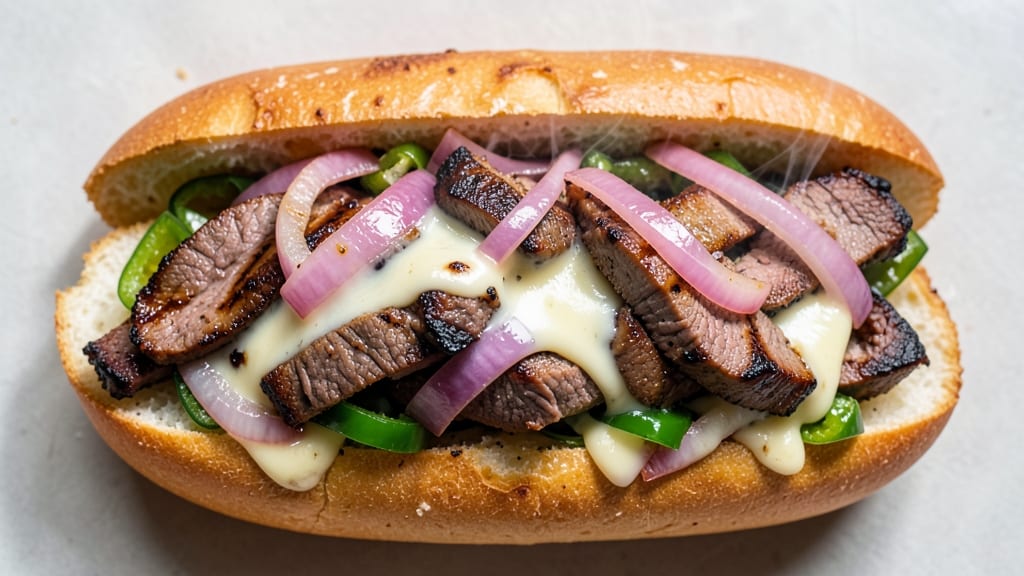
The original Philly cheese steak recipe transforms simple ingredients into a legendary sandwich that's become Philadelphia's proudest culinary export. This isn't just a recipe—it's a tradition that starts with thinly sliced ribeye steak, seared to perfection, and layered with melted provolone on a toasted hoagie roll.
The secret lies in the technique: quick, high-heat cooking that creates that signature crust while keeping the meat tender enough to slice easily.
What sets this recipe apart is the balance of textures—crispy roll crust, juicy steak, and gooey melted cheese that pulls just enough to hold the sandwich together without falling apart.
I've perfected this method after years of testing, ensuring every bite delivers that authentic Philly flavor profile that's both simple and deeply satisfying. The onions are optional but recommended for that classic sweetness that cuts through the richness.
By the time you're done assembling this sandwich, you'll have a steaming hot hoagie with layers of flavor in every bite—the caramelized crust on the steak, the sharp tang of provolone, and the soft yet sturdy texture of the roll.
This is comfort food at its finest, a recipe that brings the energy of a Philly street cart to your kitchen. The best part? It's easier to make than you think.
Serve immediately while the cheese is still melted and the roll is warm, or experiment with variations like adding peppers or transforming the components into Philly cheesesteak fries. Either way, this recipe delivers the authentic taste of Philadelphia in every bite—just like the original street vendors intended.
Ingredients for original philly cheese steak
Simple ingredients that deliver legendary Philly flavor in every bite.
| Ingredient | Amount | Notes |
|---|---|---|
| Ribeye Steak 🥩 | 1 lb | Thinly sliced against grain |
| Provolone Cheese 🧀 | 8 oz | Sliced thin, American if unavailable |
| Hoagie Rolls 🍞 | 4 whole | Freshly baked, crusty texture |
| Yellow Onions 🧅 | 1 medium | Thinly sliced, white or yellow |
| Green Bell Peppers 🍅 | 1 medium | Thinly sliced, optional but recommended |
| Butter 🧈 | 2 tbsp | Unsalted for better flavor control |
| Olive Oil 🫒 | 1 tbsp | High smoke point preferred |
| Salt 🧂 | 1 tsp | Kosher or sea salt |
| Black Pepper 🌶️ | ½ tsp | Freshly ground for best flavor |
| Garlic Powder 🧄 | ½ tsp | For seasoning the steak |
| Mayonnaise 🥛 | 2 tbsp | Optional for assembly |
The ribeye is non-negotiable—it needs to be thinly sliced against the grain for maximum tenderness. Look for well-marbled cuts at Whole Foods or your local butcher shop; ask for the steak to be sliced in-house if possible. Provolone is traditional, but American cheese works in a pinch—just slice it thinner to compensate. Hoagie rolls should be freshly baked; Wegmans and Trader Joe's carry excellent options, or check the bakery section for crusty, sturdy rolls. The onions and peppers should be fresh with no blemishes—yellow onions add sweetness while green bell peppers bring a crisp bite.
No provolone? Muenster or Swiss can substitute, though the flavor will differ. The butter and olive oil combo ensures a perfect sear—unsalted butter prevents over-salting the steak. If you're short on time, pre-sliced steak from the deli works, but slicing it yourself guarantees the right thickness. For extra authenticity, add a dash of Worcestershire sauce to the steak while cooking. The mayonnaise is optional but helps bind the sandwich together if you prefer a moister texture.
Store prepped ingredients in airtight containers: steak and cheese last 3 days in the fridge, while rolls stay fresh for 2 days if wrapped in foil. Assemble sandwiches just before serving to maintain crispiness. Leftovers? Freeze for up to 1 month—reheat in a skillet for that classic sizzle. The onions and peppers can be prepped ahead and stored in the fridge for 5 days, making assembly a breeze.
Why You'll Love This Recipe
- Five-Ingredient Magic: I swear by this recipe because it nails the classic Philly vibe without the fuss. Slice ribeye thin, char it fast, and layer it with sharp provolone—no fancy techniques, just pure, satisfying flavor.
- Melty Perfection: That gooey provolone oozing over caramelized onions and peppers? It’s the kind of bite that makes you close your eyes. The bell peppers add just enough crunch to cut through the richness.
- Game-Day Flex: Between us, this feeds a crowd or fuels a solo night in. Double the batch, wrap leftovers in foil, and reheat them later—no one will guess they’re not fresh. (Yes, even on a Tuesday night.)
- Budget Steakhouse Hack: Ribeye on sale? Grab it. Hoagie rolls are cheap. You’re basically making a fancy dinner for half the price. The secret? Sear the steak hot and fast—no need for a slow cooker or expensive cuts.
Step-by-step instructions for original Philly cheese steak
Here's the authentic method for achieving that perfect balance of tender ribeye, crispy hoagie roll, and melted provolone.
Prepare the Steak and Seasonings
Begin by slicing the 1 lb ribeye steak thinly against the grain using a sharp knife. This ensures each bite will be tender and easy to eat. Place the sliced steak in a bowl and season generously with 1 tsp salt, 0.5 tsp black pepper, and 0.5 tsp garlic powder. Toss the steak until every piece is evenly coated in the seasoning mixture. Let it sit at room temperature for 10 minutes while you prepare the other ingredients.
This resting period allows the seasoning to penetrate the meat and ensures even cooking. If you skip this step, the steak may cook unevenly, resulting in some pieces being overcooked while others remain underseasoned.
Sear the Steak and Sauté Vegetables
Heat a large skillet over medium-high heat and add 1 tbsp olive oil and 2 tbsp butter. Once the butter begins to foam, add the sliced ribeye steak in a single layer, ensuring the pieces aren't overcrowded. Cook for 2-3 minutes until the steak is lightly browned on both sides but still slightly pink in the center. Remove the steak from the skillet and set it aside on a plate.
In the same skillet, add the 1 medium yellow onions and 1 medium green bell peppers, both thinly sliced. Sauté for 4-5 minutes until the onions are translucent and the bell peppers begin to soften. You want the vegetables to retain some bite, so avoid overcooking them. Season lightly with a pinch of salt and black pepper to enhance their natural flavors.
Toast the Hoagie Rolls
While the vegetables cook, slice the 4 whole hoagie rolls in half lengthwise. Place them cut-side down on a clean skillet or baking sheet and toast in a 375°F oven for 3-4 minutes until they develop a golden-brown crust. The rolls should be warm and slightly crispy, which helps hold up to the filling without becoming soggy.
Toasting the rolls is a crucial step that many people overlook. It not only adds texture but also prevents the bread from absorbing too much of the juices from the steak and cheese, keeping each bite of your sandwich perfectly balanced.
Assemble the Philly Cheese Steaks
Return the seared ribeye steak to the skillet with the sautéed vegetables and stir gently to combine. Add 8 oz provolone cheese, sliced thin, and let it melt over the heat for 1-2 minutes. The cheese should become gooey and stretchy, coating the steak and vegetables evenly. Remove the skillet from the heat to prevent the cheese from overcooking or becoming rubbery.
Spread 2 tbsp mayonnaise on the bottom half of each toasted hoagie roll. Divide the steak, vegetables, and melted cheese evenly among the rolls. Top with the other half of the roll, pressing down gently to create a sandwich. Let the sandwiches rest for 1 minute before serving to allow the filling to set slightly.
Serve Immediately for Maximum Enjoyment
Serve the Philly cheese steaks immediately while the rolls are still warm and the cheese remains melted. Cut each sandwich diagonally in half for easy handling. The combination of tender steak, crispy roll, and gooey cheese creates the perfect balance of textures and flavors that define this classic dish.
For the best experience, serve with a side of crispy fries or a simple green salad. The contrast of temperatures and textures will elevate every bite, making this a satisfying meal that captures the essence of Philadelphia's iconic street food.
Pro Tips For Making Original Philly Cheese Steak
- SEAR THE STEAK HOT: Grab a screaming-hot pan—no half-measures—and cook the ribeye over direct flame or max burner for 2-3 minutes per side until it’s got a deep crust. I learned this the hard way: lukewarm pans mean sad, gray steak that turns to mush when you slice it. After that first failure, I never looked back.
- CHAR THE ONIONS LOW: Once you’ve seared the steak, push those onions and peppers to the side of the pan and let them slow-cook in the residual fat for 8-10 minutes. They’ll caramelize into sweet, jammy bits instead of burning into bitter ash. (Yes, even if you’re impatient like me—this is where flavor hides.)
- SHRED THE CHEESE HOT: Pull the provolone out of the fridge 10 minutes before using, then shred it fresh—don’t grab that pre-shredded stuff from the bag. When it melts over the steak, it’ll stretch into gooey strands instead of clumping like plastic. I skip this when I’m lazy, but the difference is noticeable.
- TOAST THE ROLL LAST: Assemble the sandwich just before serving and toast it in the same pan (or under the broiler) for 30 seconds—this locks in the cheese and crisps the bread without turning it soggy. My grandmother swore by this, and she was right: a dry roll makes all the difference when you’re drowning in juices.
Pro cooking tips for great original philly cheese steak
Steak Slicing Mastery
Slice your 1 lb ribeye steak against the grain using a sharp chef's knife—this is non-negotiable for tenderness. I use a Wüsthof Classic knife because its 8-inch blade makes clean, precise cuts. Aim for ¼-inch thick slices (about the width of your pinky finger).
If your butcher won't slice it for you, ask them to do it—many will for free. The grain runs diagonally across the steak, so cutting perpendicular ensures each bite melts in your mouth. 🔪
High-Heat Sear Secrets
Use a cast-iron skillet (I recommend a Lodge 10.25-inch) for that signature crust. Heat it until a drop of water sizzles violently, then add 1 tbsp olive oil and 2 tbsp butter. The butter should foam but not brown—this takes about 2 minutes.
Cook the steak in single layers for 2-3 minutes per side to avoid steaming. If your skillet isn't large enough, work in batches. Crowding the pan will make the steak soggy instead of crispy.
Cheese Melting Perfection
Provolone melts beautifully but can get rubbery if overcooked. After removing the steak, return it to the skillet with the sautéed veggies and add 8 oz provolone sliced ⅛-inch thick. Let it melt over medium-low heat for 1-2 minutes—just until stretchy.
Remove immediately when it starts pulling away from the pan. The residual heat will keep it gooey while you assemble. For extra authenticity, add a dash of Worcestershire sauce to the skillet before melting the cheese. 🧀
Roll Toasting Tricks
Toast the hoagie rolls cut-side down in a 375°F oven for 3-4 minutes—this creates the perfect crust. I like to place them on a baking sheet lined with parchment paper for easy cleanup.
If you're short on time, use a dry skillet over medium heat for 1 minute per side. The key is to toast until golden brown but not dark brown—this prevents burning while keeping the roll sturdy enough to hold the filling.
Never skip toasting; it's what separates a good cheesesteak from a great one. 🍞
Assembly Like a Pro
Spread 2 tbsp mayonnaise on the bottom half of each roll—this acts as a glue to prevent the sandwich from falling apart. Divide the steak, veggies, and melted cheese evenly among the rolls. Press down gently with a spatula to compress the filling slightly.
Let the sandwiches rest for 1 minute before serving—this allows the cheese to set just enough to hold together but stay gooey. For extra crispiness, serve on a wire rack over a baking sheet to catch any drips. 🥪
Equipment Upgrades
Invest in a meat thermometer (like the Thermoworks Smoke) to check steak doneness—it should reach 130°F for perfect medium-rare. A tongs (I use OXO Good Grips) helps flip the steak without tearing the slices.
For slicing, a sharp slicing knife (like the Victorinox 8-inch) makes all the difference. If you're making multiple sandwiches, a second skillet ensures you don't overcrowd the pan, which is the #1 mistake I see in home kitchens. 🔥
Nutrition facts
Frequently asked questions
Why does the original recipe use ribeye and not another cut?
The ribeye's rich marbling is key—it delivers that signature juicy, flavorful bite that defines a true Philly cheesesteak. Other cuts like sirloin or flank can work in a pinch, but they lack the fat content that creates that perfect crust while keeping the meat tender. The fat also helps melt the cheese beautifully, creating that gooey texture we all love.
Can I make this without a cast-iron skillet?
Yes, but you'll miss the signature crust. A heavy stainless steel skillet works in a pinch, though it won't retain heat as well. For best results, use a well-seasoned non-stick pan—but avoid aluminum, which can react with the acidity in the onions. The key is maintaining high heat to create that caramelized crust on the steak.
What's the secret to keeping the rolls from getting soggy?
Toast them cut-side down until golden brown before assembling—this creates a protective crust. Also, spread mayo on the bottom half first (not the top) to act as a barrier. If your rolls still get soft, try brushing them lightly with melted butter before toasting for extra crispiness.
How do I fix overcooked steak in a cheesesteak?
If your steak turns out too tough, slice it thinner than usual and add extra cheese to compensate. The melted provolone will help soften the texture. For next time, cook it for just 2-3 minutes per side over medium-high heat—it should be pink in the center (about 130°F internally). Never overcrowd the pan!
Can I make this ahead of time?
Assemble the sandwiches without cheese, wrap tightly in foil, and refrigerate for up to 2 hours. When ready to serve, reheat in a skillet over medium heat with a slice of cheese on top to melt. For best texture, serve fresh whenever possible—the rolls and cheese lose crispiness when reheated.