
Desserts
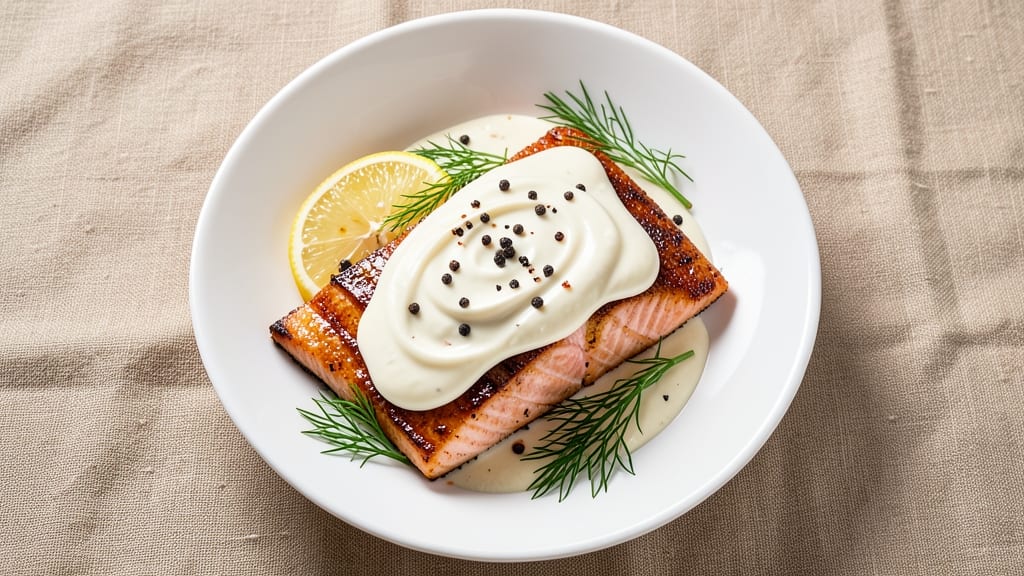
This salmon with Philadelphia cream cheese recipe transforms a simple weeknight dinner into an elegant, restaurant-worthy meal with just a few key ingredients and techniques. The combination of honey-glazed salmon and tangy cream cheese creates a perfect balance of sweet, savory, and rich flavors that elevate any plate.
What makes this dish truly special is how effortlessly it comes together—no fancy skills required, just precise timing and a few professional touches.
The foundation of this recipe lies in perfectly cooked salmon, whether pan-seared or baked, that remains tender and flaky while developing a subtle caramelized crust.
Meanwhile, the Philadelphia cream cheese sauce—infused with fresh herbs, a touch of lemon, and a hint of honey—adds a velvety, tangy contrast that complements the salmon beautifully. The result is a dish that feels indulgent yet remains balanced, with every bite offering a harmonious blend of textures and flavors.
Once you’ve mastered the cooking technique, plating becomes an opportunity to impress. A drizzle of the cream cheese sauce over the salmon, garnished with fresh dill, a sprinkle of lemon zest, or a few edible flowers, instantly transforms the dish into something visually stunning.
Serve it alongside roasted asparagus, a simple arugula salad, or crusty bread to round out the meal—each component designed to enhance the richness without overpowering it.
This recipe isn’t just about the flavors; it’s about the confidence it brings to your cooking. Whether you’re hosting a dinner party or treating yourself to a special meal, the combination of honey-glazed salmon and creamy Philadelphia sauce delivers professional results with minimal effort.
Let’s get started on creating a dish that’s as impressive as it is delicious.
Ingredients for salmon philadelphia cream cheese
Elevate weeknight salmon with this restaurant-quality cream cheese glaze—just 12 ingredients for a dish that tastes like fine dining.
| Ingredient | Amount | Notes |
|---|---|---|
| Center-Cut Salmon Fillets 🐟 | 4 whole | Skin-on, 6-8 oz each, fresh or thawed |
| Philadelphia Cream Cheese 🧀 | 8 oz | Full-fat, room temperature |
| Extra-Virgin Olive Oil 🫒 | 2 tbsp | High-quality, fruity variety |
| Raw Honey 🍯 | 2 tbsp | Wildflower or clover preferred |
| Fresh Lemon Juice 🍋 | 1 ½ tbsp | From 1 medium lemon |
| Fresh Dill 🌿 | ¼ cup | Chopped, stems removed |
| Garlic Cloves 🧄 | 2 cloves | Minced, fresh preferred |
| Diamond Crystal Kosher Salt 🧂 | 1 tsp | Fine grain, for seasoning |
| Freshly Ground Black Pepper 🌶️ | ½ tsp | Coarsely ground |
| Unsalted Butter 🧈 | 2 tbsp | Cold, for searing |
| Lemon Zest 🍋 | 1 tsp | From 1 medium lemon |
| Heavy Whipping Cream 🥛 | ¼ cup | Cold, optional for sauce |
The salmon selection is critical here. Center-cut fillets with skin-on ensure even cooking and that coveted caramelized crust. Look for wild-caught salmon at specialty markets like Whole Foods or Trader Joe's for optimal freshness—frozen works too, just thaw overnight in the fridge. The skin should be intact and the flesh vibrant, not discolored. For the cream cheese, Philadelphia brand delivers the perfect balance of tang and creaminess; never use low-fat versions, as they lack the richness needed for this sauce. The honey should be raw and unprocessed—local markets often carry excellent wildflower varieties that add subtle floral notes to the glaze.
No fresh dill? Substitute with 1 tbsp dried dill, but reduce to half the amount since dried herbs are more concentrated. Running low on Philadelphia cream cheese? Brie or goat cheese can stand in, though the texture will differ slightly—blend with a splash of heavy cream to mimic the consistency. The olive oil matters here; avoid light or refined oils that lack flavor. For a vegan adaptation, replace the cream cheese with cashew cream—soak 1 cup raw cashews overnight, blend with 2 tbsp lemon juice, and strain. The butter is essential for searing; never skip it—it creates the Maillard reaction that builds flavor. If you prefer baking over pan-searing, brush the salmon with 1 tbsp olive oil instead.
Store the cream cheese sauce in an airtight container between uses—it keeps for up to 5 days in the refrigerator. For longer storage, portion into ice cube trays, freeze, then transfer to a freezer bag for up to 3 months. The salmon should be cooked immediately after thawing if using frozen fillets. Garnishes like lemon zest and fresh dill lose potency quickly; store them separately and add just before serving. This dish reheats beautifully—simply warm the sauce gently in a saucepan or microwave, then drizzle over reheated salmon. Leftovers make excellent lunches when paired with a simple arugula salad.
Why You'll Love This Recipe
- The secret’s in the sear: golden skin, tender inside, with that Philadelphia cream cheese glaze cutting through the richness. Honestly, it’s the kind of dish that makes you pause mid-bite.
- Five-Ingredient Magic: I swear by this combo—just salmon, cream cheese, olive oil, honey, and lemon. That’s it. No chopping, no fuss, and the flavors still sing.
- Creamy Crisp Perfection: The secret’s in the sear: golden skin, tender inside, with that Philadelphia cream cheese glaze cutting through the richness. Honestly, it’s the kind of dish that makes you pause mid-bite.
- Weeknight or Guest Night: Same prep, two vibes. Serve it over greens for a light lunch or pair with crusty bread for dinner. Even my picky uncle asked for seconds—(yes, even on a Tuesday night).
Step-by-step instructions for honey-glazed salmon with cream cheese
This method delivers perfectly flaked salmon with a velvety cream cheese glaze and sweet-tangy honey finish.
Prepare the Honey-Glaze and Season the Salmon
In a small bowl, whisk together the 2 tablespoons raw honey, 1.5 tablespoons fresh lemon juice, and 1 teaspoon lemon zest until fully combined. This creates a balanced sweet-tart glaze that will caramelize beautifully on the salmon. Set aside while you prepare the fillets.
Pat the 4 whole center-cut salmon fillets dry with paper towels, removing any moisture from the skin and flesh. This step is crucial for achieving crispy skin and even cooking. Place the fillets skin-side down on a clean work surface and season both sides generously with 1 teaspoon diamond crystal kosher salt and 0.5 teaspoon freshly ground black pepper. Let them sit at room temperature for 10 minutes while you finish prepping the other components.
Sear the Salmon for Perfect Texture
Heat a large skillet over medium-high heat until hot. Add the 2 tablespoons unsalted butter and allow it to melt completely, then add 2 tablespoons extra-virgin olive oil. Once the butter foams and the oil shimmers, carefully place the salmon fillets skin-side down in the pan. Press down gently on each fillet for 5-10 seconds to ensure full contact with the pan—this prevents curling and ensures even cooking.
Sear the salmon for 3-4 minutes until the skin is golden brown and crispy. You'll know it's ready when the skin releases easily from the pan. Flip the fillets carefully and cook for another 2-3 minutes on the flesh side until the center reaches 125°F on an instant-read thermometer. Remove the salmon to a warm plate and tent loosely with foil to keep warm while you prepare the cream cheese sauce.
Create the Cream Cheese Dill Sauce
Reduce the heat in the same skillet to medium-low and add the 2 cloves minced garlic cloves, cooking for 30 seconds until fragrant. Immediately remove the skillet from heat and whisk in the 8 ounces Philadelphia cream cheese until smooth. Return the skillet to low heat and gradually whisk in the 0.25 cup heavy whipping cream and the honey-lemon glaze you prepared earlier, stirring until fully incorporated and the mixture is smooth and creamy. If the sauce is too thick, add 1 tablespoon water at a time until it reaches a pourable consistency.
Stir in the 0.25 cup chopped fresh dill and season with an additional pinch of diamond crystal kosher salt if needed. The sauce should be bright green from the dill and have a luxurious, velvety texture. Keep the sauce warm over low heat while you plate the salmon.
Assemble and Serve
Using a fish spatula, carefully transfer each salmon fillet to a warmed serving plate. Spoon the cream cheese dill sauce evenly over each fillet, allowing it to cascade down the sides. The sauce should cling beautifully to the flaky salmon, creating a harmonious blend of textures and flavors. Garnish each plate with an additional sprinkle of chopped fresh dill and a few lemon zest shavings for a pop of color and brightness.
Serve immediately while the salmon is still flaky and the sauce is warm. The contrast between the crispy skin, tender flesh, and rich cream cheese sauce creates a truly memorable dish. Pair with steamed asparagus or a fresh arugula salad to complement the flavors without overpowering them.
Pro Tips For Making Salmon Philadelphia Cream Cheese
- Sear Skin-Side Down: Flip the salmon skin-side down in a cold, dry pan first—no oil needed. Let it render its own fat for 3-4 minutes until the skin crispy enough to peel off like paper. I used to rush this, and the skin always stuck like glue; patience here makes all the difference.
- Whip Cream Cheese Cold: Take the Philadelphia cream cheese straight from the fridge—it’s less likely to split when mixed with honey and lemon. Room temperature makes it greasy; cold keeps it smooth. Trust me, your sauce won’t curdle if you skip the 10-minute wait.
- Don’t Overmix the Sauce: Once you fold in the honey and lemon, stop stirring after 10 seconds. Overworking it turns the sauce grainy, and no one wants a lumpy glaze. Just swirl it gently—like you’re folding in shame after burning toast.
- Rest Salmon Under Foil: After searing, transfer the salmon to a foil tent for 5 minutes. The residual heat finishes cooking it perfectly without drying it out. I learned this the hard way—overcooked salmon tastes like sad, rubbery regret.
Essential equipment for great salmon philadelphia cream cheese
Pan Essentials
For crispy salmon skin, a 12-inch cast-iron skillet from Lodge is my go-to—its heavy weight distributes heat evenly and retains it perfectly. If you don’t own one, a stainless steel skillet like All-Clad works well too, though it requires slightly more attention to temperature control.
Preheat your pan for 5 minutes on medium-high heat before adding butter and oil. This ensures the salmon sears immediately upon contact, locking in juices and creating that coveted crust. 🔥
Temperature Tools
An instant-read thermometer—I swear by the ThermoWorks Thermapen One—is non-negotiable for salmon. It helps you nail the 125°F internal temperature without overcooking. For the cream cheese sauce, a small saucepan with sloped sides (like Le Creuset’s 1.5-quart version) prevents scorching while whisking.
If you’re baking instead of pan-searing, a baking sheet with a wire rack (to prevent soggy skin) is essential. Preheat your oven to 400°F for optimal results.
Whisk & Mixing
The cream cheese sauce demands a balloon whisk—nothing beats OXO’s Good Grips for smooth, lump-free results. For mincing garlic, a microplane (like Barcadi’s 4-in-1) is faster than a knife and yields finer, more flavorful bits.
If you’re making this ahead, a small mixing bowl with a spatula helps transfer the sauce to the skillet without making a mess. Pro tip: Use a rubber spatula to scrape every last bit of sauce from the bowl into the pan for maximum yield. 💡
Garnish Tools
Fresh herbs and lemon zest elevate the dish, so keep a sharp pairing knife (I love Mercer Culinary’s 8-inch) and a microplane on hand. For plating, a fish spatula with a flexible silicone edge (like J. Kenji López-Alt’s recommendation) ensures you don’t tear the delicate salmon flesh.
A small offset spatula helps drizzle the sauce artistically over the fillets. Don’t forget a fine-mesh sieve if you’re straining any liquids—though it’s not needed here, it’s handy for future adaptations.
Optional Upgrades
For a restaurant-quality touch, invest in a blender (like Vitamix) if you’re experimenting with cashew cream for a vegan version. A smoker isn’t necessary, but if you’re feeling adventurous, try cold-smoking the salmon with applewood chips for 30 minutes before searing—it adds a subtle depth.
For storage, glass airtight containers (like Pyrex) keep the sauce fresh for up to 5 days in the fridge. Label them with dates to track freshness! ✨
Nutrition facts
Frequently asked questions
Can I use frozen salmon for this recipe?
Yes, but thaw it properly first! Place frozen fillets in a sealed bag and submerge in cold water for 30 minutes per inch of thickness, or thaw overnight in the fridge. Never microwave—it creates uneven cooking. Pat dry thoroughly before seasoning to ensure crispy skin.
How do I prevent the cream cheese sauce from breaking?
Keep everything cold until the last moment! Use room-temperature cream cheese (soften by sitting at room temp for 30 minutes), but keep other ingredients chilled. Whisk over low heat and never boil. If it thickens too much, add 1 tablespoon water at a time while stirring constantly.
What's the best way to reheat leftovers?
Warm the sauce gently in a saucepan over low heat until creamy, then drizzle over reheated salmon (microwave for 20-30 seconds on high). For best results, reheat only what you'll serve immediately—the sauce thickens when cooled. Add a splash of heavy cream if it separates.
Can I make this ahead of time?
Cook the salmon and prepare the sauce separately, then refrigerate in airtight containers for up to 3 days. Reheat gently before serving. For parties, assemble everything except the final sauce drizzle—keep sauce warm in a slow cooker on warm setting and drizzle just before serving.
What if I don't have fresh dill?
Use 1 tbsp dried dill (or 1 tsp dill weed) as a substitute, but reduce to half the amount since dried herbs are more concentrated. For extra flavor, add 1 tsp capers or 1 tbsp chopped parsley instead. The sauce will still taste delicious—just with a slightly different herbal profile!