Breakfast & Brunch
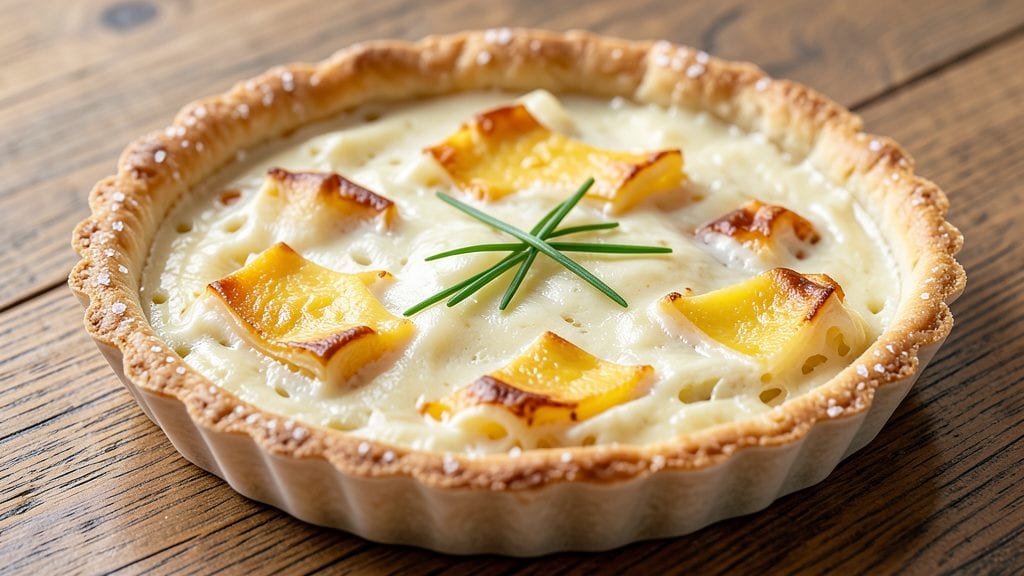
This Swiss cheese quiche recipe transforms a simple breakfast into a restaurant-worthy masterpiece with its golden crust and perfectly melted Emmental cheese. The secret lies in balancing rich, creamy custard with nutty Swiss cheese, creating a dish that's both comforting and elegant.
I've perfected this recipe over years of testing, ensuring every bite delivers that ideal combination of tender crust, velvety filling, and melty cheese. It's the kind of dish that elevates weekend brunches from ordinary to extraordinary.
What sets this quiche apart is its foolproof technique—whether you choose a store-bought crust for convenience or make one from scratch for that homemade touch. The filling combines eggs, cream, and sharp Swiss cheese, creating a custard that's rich but not overly heavy.
Optional add-ins like spinach or mushrooms add depth, but the classic version remains vegetarian and satisfying on its own. The result is a quiche with a crisp, golden crust and a filling that's just set in the center, ensuring each slice is perfectly balanced.
By the time it emerges from the oven, you'll have a quiche with a flaky, golden crust and a custard that's creamy yet firm enough to slice cleanly. The Swiss cheese melts into delicate strands, adding a nutty, slightly sweet flavor that pairs beautifully with the rich egg mixture.
This dish is versatile enough for breakfast, lunch, or even a light dinner, and it reheats beautifully for leftovers. The aroma alone will have everyone gathering around the table.
Serve it warm with a simple green salad or crusty bread to soak up every last bit of the creamy filling. Whether you're hosting a brunch or treating yourself to a special meal, this quiche delivers professional-quality results with minimal effort. Here's how to make it perfectly every time.
Ingredients for swiss cheese quiche
Six simple ingredients transform into a restaurant-worthy quiche with golden crust and melty Swiss cheese.
| Ingredient | Amount | Notes |
|---|---|---|
| Puff Pastry Sheet 🥧 | 1 sheet | Thawed if frozen, store-bought preferred |
| Large Eggs 🥚 | 6 whole | Room temperature for even baking |
| Heavy Cream 🥛 | 1 ½ cups | Full-fat for richness (36% fat) |
| Emmental Cheese 🧀 | 2 cups | Shredded, sharp variety preferred |
| Whole Milk 🥛 | ½ cup | Warmed slightly for smooth custard |
| Salt 🧂 | ½ tsp | Kosher or sea salt preferred |
| Freshly Ground Black Pepper 🌶️ | ¼ tsp | Freshly cracked for best flavor |
| Fresh Chives 🌿 | 2 tbsp | Finely chopped, for garnish |
| Unsalted Butter 🧈 | 1 tbsp | Melted, for brushing crust |
| All-Purpose Flour 🌾 | 2 tbsp | For dusting work surface |
| Egg Wash 🥚 | 1 whole | 1 egg beaten with 1 tbsp water |
The Emmental cheese is non-negotiable here—look for sharp, aged wheels at specialty cheese shops or well-stocked grocery stores like Whole Foods or Trader Joe's. Pre-shredded cheese gets clumpy, so grab a block and shred it yourself. For the puff pastry, Pepperidge Farm or Maille are reliable brands, but any high-quality sheet works. The secret to the golden crust? Brush it with melted butter before baking—don't skip this step. I always thaw my pastry overnight in the fridge for easier handling, but if you're in a rush, just let it sit at room temperature for 30 minutes.
No Emmental? Gruyère or sharp cheddar work in a pinch, though the flavor will differ. Short on heavy cream? Half-and-half plus a splash of whole milk gets you close. Fresh chives wilting? Dried chives or parsley at half the amount will do. The custard needs to be just thick enough to set but still creamy—undercook it by 2-3 minutes if your oven runs hot. For extra insurance, bake it on the middle rack where heat is most even. And if you're feeling fancy, add a sprinkle of nutmeg to the filling—it pairs beautifully with the Swiss cheese.
This quiche tastes even better the next day—cover and refrigerate for up to 3 days. Reheat slices in a 350°F oven for 10-12 minutes to restore that golden crust. For make-ahead prep, assemble the quiche (unbaked) and refrigerate for up to 24 hours before baking. The crust stays crisp, and the filling sets perfectly. Store leftovers in an airtight container, and trust me—no one will guess it's vegetarian.
Why You'll Love This Recipe
- Puff Pastry Shortcut: I swear by that frozen puff pastry—no rolling, no fuss, just unfold and fold. The flaky layers melt in your mouth while keeping everything else together, and honestly? It’s the secret to a quiche that looks restaurant-worthy without the effort.
- Nutty Swiss Magic: That Emmental cheese isn’t just in this quiche—it’s the star. The moment it melts into gooey, stretchy strands, you’ll forget about bland cheddar forever. Between us, the heavy cream and milk make the custard so rich, it’s practically a hug in every bite.
- Brunch or Lunch: Make it for a lazy Sunday with coffee, or pack slices for a workday lunch—this quiche handles both. The custard holds up perfectly, and the puff pastry stays crisp even after reheating. (Yes, even on a Tuesday night.)
- Leftovers That Don’t Suck: I make this once and eat it twice—no sad, rubbery quiche here. The flavors actually deepened the next day, and it reheats in minutes. Plus, the Emmental’s melty goodness makes it feel like a treat, not a mistake. Budget win.
Step-by-step instructions for Swiss cheese quiche
Here's how to create a flaky, golden quiche with perfectly melted Emmental cheese and a rich custard filling.
Prepare the Puff Pastry Crust
Preheat your oven to 375°F. Roll out the 1 sheet puff pastry on a lightly floured surface using the 2 tbsp all-purpose flour. I like to keep it about 1/8-inch thick for that classic flaky texture. Transfer it to a 9-inch pie dish and gently press it into the bottom and up the sides, leaving about 1 inch overhang. Trim the excess and crimp the edges with a fork for a decorative finish.
Prick the bottom of the crust all over with a fork to prevent puffing. Line the crust with parchment paper, fill it with pie weights or dried beans, and bake for 12 minutes until lightly golden. Remove the weights and bake for another 3 minutes to ensure it's set. Brush the hot crust with the melted 1 tbsp unsalted butter for extra richness and flavor.
Make the Swiss Cheese Filling
In a medium bowl, whisk together the 6 whole large eggs, 1.5 cups heavy cream, 0.5 cup whole milk, 0.5 tsp salt, and 0.25 tsp freshly ground black pepper until just combined. Gently fold in the 2 cups shredded Emmental cheese until evenly distributed. The cheese should melt smoothly into the mixture, creating a thick, creamy batter.
Here's the thing—warm the whole milk slightly before adding it to the egg mixture. This helps create a smoother custard that's less likely to curdle in the oven. I like to heat it in the microwave for about 20 seconds until just warm to the touch.
Assemble and Bake the Quiche
Pour the cheese filling into the pre-baked crust, spreading it evenly. Sprinkle the 2 tbsp finely chopped fresh chives over the top for a pop of color and fresh flavor. The chives should be distributed evenly so every bite has that bright herb note.
Bake the quiche for 35-40 minutes until the center is just set and the edges are golden brown. You'll know it's ready when the custard is slightly jiggly in the center but no longer liquid. If the top browns too quickly, tent it with aluminum foil for the last 10 minutes of baking.
Finish with Egg Wash and Rest
While the quiche is still hot, brush the top with the 1 whole egg wash (1 egg beaten with 1 tbsp water). This creates that beautiful golden finish and adds a subtle sheen. Return it to the oven for 3-5 minutes to set the egg wash and give it that bakery-style look.
Let the quiche cool for at least 15 minutes before slicing. This resting period allows the filling to set completely and makes it much easier to cut clean slices. Serve warm or at room temperature with a simple green salad or crusty bread.
Pro Tips For Making Swiss Cheese Quiche
- Preheat Like It’s 1985: Your oven needs to hit 375°F (190°C) and sit for at least 15 minutes before the quiche goes in. I learned this the hard way—skipping it means a soggy bottom where the puff pastry turns into a sad, greasy puddle instead of crisping up like it should. Trust me, the extra wait makes all the difference.
- Grate That Cheese: Skip the pre-shredded Emmental—it’s coated with anti-caking agents that make the filling gummy. Freshly grate your own, and for heaven’s sake, don’t pack it down. Just sprinkle it lightly; too much cheese means a dense, cheesy brick instead of a fluffy, melt-in-your-mouth texture.
- Whisk the Eggs Cold: Crack those eggs straight from the fridge into a cold bowl, then whisk the whole mix (cream, milk, eggs) over an ice bath while stirring. Warm eggs make the custard grainy, and nobody wants a quiche that looks like it’s been through a blender. Keep it chilled until the last possible second.
- Vent That Pastry: Cut a few small slits in the puff pastry before baking—yes, even if it’s not a lattice. The steam from the custard needs an escape route, or you’ll end up with a quiche that looks like it’s been steam-rolled. Tiny slits work; don’t go overboard, or your crust will lose its structure.
Common mistakes when making this dish
Overbaking the Crust
Nothing ruins a quiche faster than an overbaked crust that turns soggy while the filling cooks. I've seen this happen when people pre-bake the crust too long—12-15 minutes max at 375°F is plenty.
The key is to remove the weights and bake just until the crust is set but still pale. If it browns too quickly, reduce the oven temperature to 350°F next time. 🌡️
Underestimating the Cheese
Using pre-shredded cheese is a common mistake that leads to a grainy texture. The anti-caking agents in pre-shredded cheese don't melt smoothly. Always shred your own Emmental cheese using a box grater—it makes all the difference.
If you're short on time, buy blocks from specialty stores like Whole Foods where they sell cheese by the pound. 🧀
Skipping the Milk Warm-Up
Cold milk can cause the custard to curdle or create a rubbery texture in the oven. Always warm your ½ cup whole milk to about 100°F (just warm to the touch) before mixing it with the eggs.
I microwave mine for 20 seconds—this simple step ensures a silky-smooth filling every time. ⏰
Overmixing the Filling
Vigorously whisking the egg mixture incorporates too much air, which can cause the custard to puff up and overflow during baking. Once the eggs, cream, and milk are combined, gently fold in the cheese with just 10-12 strokes—no more.
The filling should look thick but not lumpy. Overmixing is the #1 reason quiches fail to set properly. 💫
Ignoring the Resting Time
Slicing quiche immediately after baking leads to messy, runny filling. Always let it rest for at least 15 minutes—this allows the proteins to fully set and the knife to glide through cleanly.
For best results, I often rest mine for 20-25 minutes before serving. Patience here makes all the difference. ⏳
Uneven Baking Rack Placement
Baking quiche on the top rack causes the crust to burn while the center stays underdone. Always place it on the middle rack where heat circulates evenly. If your oven runs hot, consider the second rack from the top—this prevents browning while ensuring the filling cooks through.
I test doneness by inserting a knife: it should come out clean but slightly jiggly. 🔥
Nutrition facts
Frequently asked questions
Can I make this quiche without a puff pastry crust?
For a lighter option, use a homemade pie crust or even a pre-made pie crust in a 9-inch dish. If you want extra flakiness, try a shortcrust pastry with 1 tbsp cold butter folded into the dough. Just be sure to pre-bake it for 10-12 minutes at 375°F to prevent a soggy bottom.
Why did my quiche filling come out rubbery?
Rubbery filling usually means the custard was overcooked or the milk was too cold. Always warm your ½ cup whole milk to 100°F before mixing, and bake until the center is just set (slightly jiggly). Overbaking dries out the custard—remove it from the oven when it's 2-3 minutes shy of being fully set.
Can I add other vegetables to this recipe?
Yes! Try sautéing 1 cup spinach or ½ cup mushrooms until just wilted, then folding them into the egg mixture. For extra flavor, add ½ tsp garlic powder or ½ tsp onion powder. Just be sure to drain excess liquid from veggies like spinach first to avoid a watery filling.
How do I reheat leftovers without drying them out?
Slice the quiche and reheat in a 350°F oven for 10-12 minutes on a baking sheet. Cover loosely with foil if the top browns too quickly. For microwave reheating, use 30-second intervals on medium power, letting it rest between each. The crust stays crispy best when reheated in the oven.
What’s the best way to store this quiche?
Store in an airtight container in the fridge for up to 3 days. For longer storage, freeze individual slices wrapped in plastic wrap for up to 2 months. Thaw overnight in the fridge before reheating. The crust stays crisp even after freezing if wrapped tightly.