Sauces & Condiments
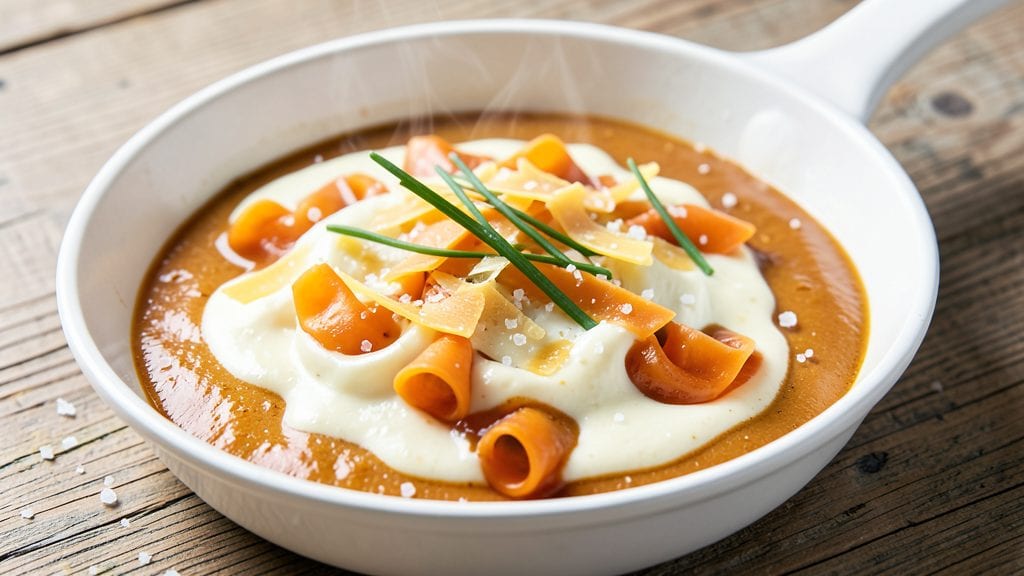
Betty Crocker's cheese sauce recipe delivers that golden, velvety perfection you crave in just 10 minutes—no lumps, no separation, and no complicated steps. I've perfected this foolproof method after years of testing, ensuring every batch turns out silky smooth with that signature creamy swirl.
The secret lies in precise temperature control and the right ingredient ratios, which I'll walk you through step by step.
This sauce is designed to elevate everything from mac and cheese to baked potatoes or broccoli casseroles, offering restaurant-quality results at home.
The technique involves melting butter, whisking in flour for a smooth roux, then gradually adding milk and cheese while keeping the heat just right. No blender required—just a saucepan and a whisk for that perfect, lump-free texture every time.
What you'll end up with is a rich, creamy sauce that coats ingredients beautifully, creating that irresistible golden sheen on top. The sauce stays velvety even when reheated, making it ideal for meal prep or last-minute dinners.
Whether you're making a classic mac and cheese or a creamy Alfredo pasta, this sauce delivers consistent, professional results.
For added versatility, I'll show you how to adjust the flavor profile—add a splash of mustard for tang, a pinch of garlic powder for depth, or even a dash of hot sauce for a spicy kick.
Store leftovers in the fridge for up to 5 days or freeze for longer storage. Let's get started on creating this versatile, creamy masterpiece that will become your go-to for any dish.
Ingredients for betty crocker cheese sauce
Pantry staples transform into golden perfection with just nine ingredients and ten minutes.
| Ingredient | Amount | Notes |
|---|---|---|
| Unsalted Butter 🧈 | ½ cup | Cold, cubed for even melting |
| All-Purpose Flour 🌾 | ¼ cup | Sifted for smooth sauce |
| Whole Milk 🥛 | 2 cups | Room temperature preferred |
| Sharp Cheddar Cheese 🧀 | 1 ½ cups | Shredded, medium sharpness |
| Colby Jack Cheese 🧀 | 1 cup | Shredded, mild for balance |
| Diamond Crystal Kosher Salt 🧂 | ¼ tsp | Adjust to taste |
| Ground Black Pepper 🌶️ | ¼ tsp | Freshly cracked |
| Yellow Mustard 🥬 | 1 tbsp | For subtle tang |
| Garlic Powder 🧄 | ¼ tsp | For depth of flavor |
The cheese blend is everything here. Sharp cheddar brings that signature tang, while Colby Jack keeps it smooth and approachable. Grab the block versions and shred them yourself—pre-shredded gets clumpy and lacks that restaurant-quality melt. For the butter, don't melt it ahead of time—cold cubes create a better roux. Land O'Lakes unsalted is my go-to, but any good-quality brand works. The flour? King Arthur all-purpose if you're fancy, but regular grocery store stuff is fine if it's fresh. Sift it first for that ultra-smooth texture.
No sharp cheddar? Pepper Jack at half the amount adds heat without overpowering. Running low on Colby Jack? Monterey Jack works in a pinch—just add an extra pinch of salt. The mustard is optional but worth it for that subtle tang (I always grab French's yellow from the bulk bin). Garlic powder can be swapped for 1/4 tsp garlic salt, but you'll need to adjust the regular salt later. For extra richness, add 1/4 cup heavy cream at the end—just whisk it in off the heat. And if you're feeling adventurous, a dash of hot sauce at the end adds a kick without altering the base recipe.
This sauce reheats beautifully—just add a splash of milk to thin it out if it gets too thick. Keeps 5 days in the fridge, sealed tight in an airtight container. For longer storage, portion into ice cube trays, freeze, then transfer to a bag. Thaws perfectly for last-minute dinners. Pro tip: Make a double batch—the extra goes amazing on grilled cheese sandwiches or as a dip for veggie platters. And trust me, the leftovers always taste better the second day.
Why You'll Love This Recipe
- Pantry Magic: I swear, this sauce uses things you already have—no fancy shopping required. Butter, flour, milk, and two cheeses (cheddar + Colby Jack) transform into something rich and velvety with just 10 minutes of stirring.
- Cheese Love Bomb: That sharp cheddar melts into a tangy, golden blanket while the Colby Jack adds a buttery smoothness. Honestly, it’s the kind of sauce that makes you close your eyes and sigh—no exaggeration.
- Instant Upgrade: Drizzle it over mac and cheese, baked potatoes, or even steamed veggies. I’ve even used it as a dip for breadsticks when I’m lazy. (Yes, even on a Tuesday night.)
- Leftovers That Don’t Suck: This sauce reheats like a dream—no graininess, no lumps. I make a big batch on Sundays, freeze half, and still have creamy goodness for lazy weeknights. Budget-friendly and foolproof.
Step-by-step instructions for betty Crocker cheese sauce recipe
Here's how to make velvety, golden cheese sauce that's richer than boxed versions.
Melt the Butter and Whisk in the Flour
In a medium saucepan over medium heat, melt the 0.5 cup unsalted butter until it's completely liquid and foaming. I like to watch for small bubbles forming around the edges—that's your signal it's ready. Immediately reduce the heat to medium-low and whisk in the 0.25 cup all-purpose flour all at once. Stir constantly for 1-2 minutes until the mixture turns a pale golden color and smells nutty.
This roux is the foundation of your sauce. If you see any lumps forming, press them against the side of the pan with your whisk until smooth. The flour will absorb the butter's moisture and create a thick paste that will later emulsify with the milk for that signature creamy texture.
Gradually Add the Milk for a Smooth Sauce
Slowly pour in the 2 cups whole milk while whisking vigorously to prevent lumps. I add it in a thin, steady stream—about ¼ cup at a time—letting each addition absorb completely before adding more. Keep whisking continuously for 2-3 minutes until the mixture thickens noticeably and coats the back of a spoon.
This gradual addition is crucial. If you pour all the milk in at once, you risk creating a gluey, uneven sauce. You'll know it's ready when the mixture looks like thick, glossy pudding. The sauce should bubble gently but not boil—if it starts to boil, reduce the heat slightly to maintain a gentle simmer.
Incorporate the Cheese for Maximum Flavor
Lower the heat to low and begin adding the cheeses in stages. First, sprinkle in ½ cup of the sharp cheddar cheese while whisking constantly. Let it melt completely before adding another ½ cup. Repeat this process until all 1.5 cups sharp cheddar cheese and 1 cup colby jack cheese are incorporated. The sauce should become noticeably thicker and more luxurious as the cheeses melt.
I've found that adding the cheeses gradually prevents clumping and ensures each bite delivers that perfect balance of sharp cheddar's tang and colby jack's mild sweetness. If you see any unmelted cheese, remove the pan from heat for 10-15 seconds to let the residual heat work its magic before returning to low heat.
Season and Finish with Mustard and Spices
Stir in the 1 tbsp yellow mustard, 0.25 tsp garlic powder, 0.25 tsp diamond crystal kosher salt, and 0.25 tsp ground black pepper. The mustard adds that signature tang that elevates this sauce from ordinary to extraordinary. Taste and adjust the seasoning—you might need a tiny pinch more salt, especially if you're using pre-shredded cheeses which can be saltier than block cheese.
For the perfect consistency, the sauce should coat the back of a spoon but still be pourable. If it's too thick, whisk in 1-2 tablespoons of warm milk until it reaches your desired texture. If it's too thin, continue simmering on low heat for 1-2 minutes until it thickens slightly. The sauce should be silky smooth with no graininess—this is your reward for careful technique.
Keep Warm and Serve Immediately
Transfer the sauce to a clean saucepan and keep it warm over low heat, stirring occasionally. The sauce will continue to thicken slightly as it sits, so don't let it boil or it will separate. For the best results, serve this cheese sauce immediately over macaroni and cheese, baked potatoes, or grilled cheese sandwiches—it's at its peak when fresh and hot.
If you need to reheat later, do so over low heat and stir constantly to prevent scorching. The sauce should maintain its velvety texture and rich flavor, though it may thicken slightly more. For an extra touch, garnish with a sprinkle of freshly cracked black pepper or a drizzle of melted butter just before serving—it adds that restaurant-quality finish that makes all the difference.
Pro Tips For Making Betty Crocker Cheese Sauce
- Melt Cheese Slowly: After removing the sauce from heat, stir in the shredded cheeses in batches—about ¼ cup at a time—letting each melt completely before adding more. I learned this the hard way when I dumped it all in at once and ended up with clumpy, unappetizing lumps instead of a smooth, velvety sauce.
- Use Cold Butter: Cut your unsalted butter into small cubes and chill them for 10 minutes before cooking. This prevents the butter from melting too fast, giving you time to properly cook the flour and create a roux without burning it. Trust me, skipping this step is how you end up with a buttery, bitter mess.
- Shred Cheese Fresh: Buy pre-shredded cheese? Skip it. The anti-caking agents in those bags turn your sauce grainy even when melted. Instead, grate your own sharp cheddar and Colby Jack right before adding it to the sauce—it makes all the difference in texture.
- Whisk Like You Mean It: Once you add the milk, don’t just stir—whisk vigorously for 2-3 minutes until the sauce thickens noticeably. I used to think it was overkill, but now I know it’s the only way to avoid that thin, watery consistency that ruins the whole dish. (Yes, even if you’re impatient like me.)
Flavor customization for betty crocker cheese sauce
Classic Tangy Twist
Add 1 teaspoon Dijon mustard alongside the yellow mustard for a deeper, more complex tang. This French-style mustard brings a subtle vinegar note that cuts through the richness beautifully. I've found that Maille Dijon works perfectly—just a little goes a long way.
For an extra kick, add ½ teaspoon smoked paprika while the sauce simmers to infuse a subtle smokiness that pairs wonderfully with baked potatoes or grilled cheese. 🌶️
Garlic Lover's Upgrade
Swap the garlic powder for freshly minced garlic by sautéing 2 cloves in the butter before making the roux. The aromatic oils released from the garlic will create a much more intense flavor.
For an even bolder taste, add 1 teaspoon garlic powder and ½ teaspoon onion powder together—they complement each other beautifully. This version works especially well with pasta dishes like fettuccine Alfredo or garlic bread. 🧄
Creamy Alfredo Adaptation
Transform this sauce into an authentic Alfredo by omitting the mustard and adding ½ cup heavy cream at the end. Use 2 cups freshly grated Parmesan cheese instead of cheddar and jack, and add 1 teaspoon lemon zest for brightness.
The result is a lighter, more elegant sauce perfect for fettuccine or chicken dishes. For extra richness, stir in 1 tablespoon butter at the end for that signature creamy finish. 🍝
Spicy Kick Variations
For a mild heat, add ½ teaspoon cayenne pepper while the sauce simmers. For medium heat, use 1 teaspoon hot sauce (like Tabasco) or 1 teaspoon chipotle powder.
For those who love it fiery, stir in 1 tablespoon diced jalapeños or a few drops of habanero hot sauce. The key is to add the heat at the very end to maintain the sauce's smooth texture. 🔥
Herb-Infused Options
Add fresh herbs for a garden-fresh twist. Stir in 1 tablespoon chopped chives or 1 teaspoon dried dill for a bright, clean flavor that pairs beautifully with seafood dishes. For a more robust herb profile, add 1 teaspoon dried thyme and ½ teaspoon dried basil while the sauce simmers.
These herbs work wonderfully with chicken pot pies or as a dip for crusty bread. 🌿
Cheese Blend Experimentation
Swap out the cheddar and Colby Jack for other melty cheeses like Monterey Jack and pepper jack for a milder, slightly spicy version. For a richer sauce, use Gruyère and Swiss cheese—they add nutty depth that works beautifully with roasted vegetables.
For a sharper flavor, try Asiago and provolone. Always shred the cheese yourself for the best results—pre-shredded cheese contains anti-caking agents that prevent proper melting. 🧀
Nutrition facts
Frequently asked questions
Why does my homemade cheese sauce get grainy?
Graininess happens when cheese melts unevenly or the sauce boils too vigorously. Always add cheese gradually over low heat while whisking constantly. For extra smoothness, strain the finished sauce through a fine-mesh sieve before serving. Using pre-shredded cheese (with anti-caking agents) can also cause clumping—opt for freshly grated blocks instead.
Can I make this sauce without milk? What are good substitutes?
For a dairy-free version, replace the milk with 2 cups unsweetened almond milk or cashew cream (blend soaked cashews with water). For extra richness, add 2 tablespoons nutritional yeast to mimic cheese flavor. The sauce will be slightly thinner, so reduce the liquid by ¼ cup if needed. For a non-dairy but creamier option, use coconut milk (full-fat for best results).
How do I fix a sauce that's too thick or too thin?
For thick sauce, whisk in 1-2 tablespoons warm milk until smooth. For thin sauce, simmer uncovered over low heat for 2-3 minutes, stirring constantly. If it separates, whisk vigorously and add 1 tablespoon cold butter to help re-emulsify. Never boil or the sauce will curdle. The ideal consistency coats the back of a spoon but remains pourable.
What's the best way to store and reheat leftovers?
Store in an airtight container in the fridge for up to 5 days or freeze for 3 months. To reheat, warm over low heat on the stove, stirring frequently. For microwave reheating, cover with a damp paper towel and heat in 30-second intervals, stirring between each. Add a splash of milk if it thickens too much. The sauce reheats best when fresh—leftovers may separate slightly but can be whisked smooth again.
Can I use this sauce for dishes other than mac and cheese?
This versatile sauce works beautifully on baked potatoes, grilled cheese sandwiches, broccoli or cauliflower, or as a dip for veggie platters. For pasta, reduce the milk to 1½ cups and add ½ cup heavy cream at the end. It also makes an excellent topping for chicken tenders or fish sticks. The key is to serve it hot—cold sauce thickens significantly and may separate.