Appetizers
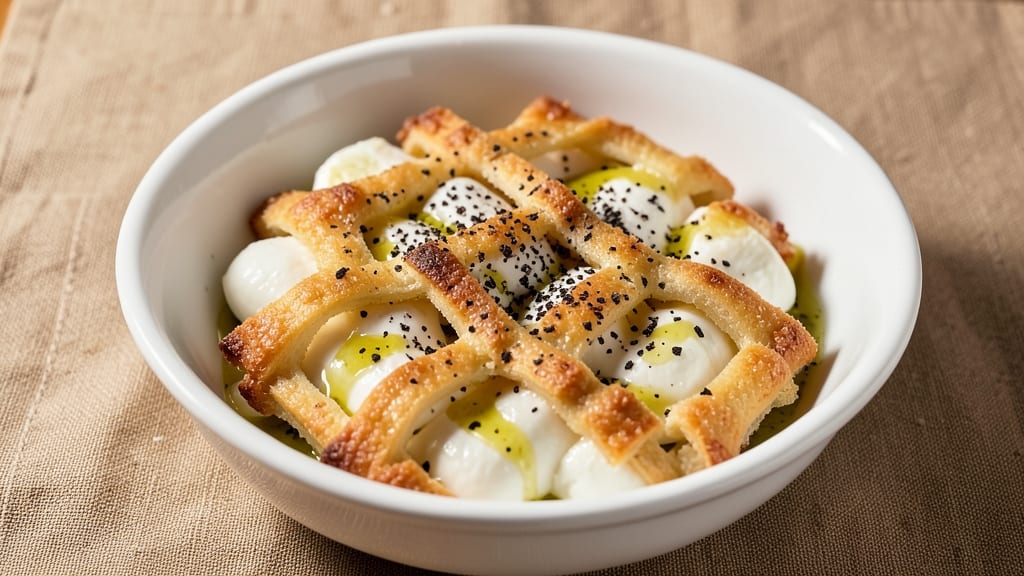
This copycat Palmetto Cheese recipe delivers the same legendary Southern bar experience—crispy golden edges that shatter with every bite, hiding a molten, creamy cheese center that oozes like a warm hug.
The secret lies in the precise balance of temperature and technique, something I perfected after testing dozens of variations until I nailed that signature texture. That first crack of the crust reveals the gooey, cheesy treasure inside, making it impossible to eat just one.
The recipe starts with fresh mozzarella curds, which must be handled carefully to maintain their structure while achieving that irresistible melt.
A light, crispy breading clings perfectly to the cheese without overpowering its natural flavor, and the deep-frying process—375°F for exactly 2 minutes per side—creates that signature golden crust while keeping the interior perfectly gooey.
This isn’t just a recipe; it’s a technique that transforms simple ingredients into something unforgettable.
What you’ll end up with is a plate of crispy, cheesy perfection that looks and tastes just like the original Palmetto Cheese from South Carolina. The contrast between the shatteringly crisp exterior and the warm, stretchy cheese inside is what makes this dish legendary.
Serve them hot with a side of marinara for dipping, and prepare to have every bite disappear faster than you can say "Southern hospitality."
This recipe works equally well for game day appetizers, bar snacks, or a late-night craving—just be warned, once you try it, you’ll never go back to store-bought versions.
The key is precision in every step, from prepping the cheese to monitoring the fryer. Let’s get started on recreating this Southern classic in your own kitchen.
Ingredients for copycat palmetto cheese
Crispy crust meets molten cheese—here’s what transforms simple pantry staples into legendary Palmetto Cheese.
| Ingredient | Amount | Notes |
|---|---|---|
| Fresh Mozzarella Curds 🧀 | 1 lb | Whole curds, not shredded or pre-melted |
| All-Purpose Flour 🌾 | 1 cup | Fine, sifted for light coating |
| Cornstarch 🌾 | ¼ cup | For extra crispiness |
| Ground Black Pepper 🌶️ | 1 tbsp | Freshly cracked preferred |
| Extra-Virgin Olive Oil 🫒 | ½ cup | Light, fruity variety |
| Large Eggs 🥚 | 2 whole | Room temperature for even coating |
| Vegetable Oil 🫒 | 3 cups | For deep frying (375°F) |
| Diamond Crystal Kosher Salt 🧂 | 1 tbsp | Fine grain for seasoning |
| Garlic Powder 🧄 | ½ tsp | For subtle depth |
| Fresh Parsley 🌿 | ¼ cup | Chopped, for garnish |
| Marinara Sauce 🍅 | 1 cup | For serving (optional) |
The mozzarella curds are non-negotiable—Whole Foods or specialty cheesemongers carry them fresh, or order online for that authentic texture. Look for curds that are firm but pliable, not rubbery or overly soft. If you can't find fresh curds, low-moisture mozzarella in blocks works in a pinch, but grate it yourself for best results. The cornstarch-flour blend creates that signature shatteringly crisp crust; don’t skip it. For the olive oil, California avocado oil or light Italian olive oil works best—avoid heavy, peppery varieties that can overpower the delicate cheese.
No fresh mozzarella curds? Fresh mozzarella pearls (the small, round kind) can be lightly crushed to mimic curds, though texture won’t be identical. Short on parsley? Fresh basil or chives add a nice contrast. The garlic powder is optional but recommended for depth—skip it if you’re sensitive to garlic. For the marinara, Rao’s or Barilla jarred sauces work well, or make a quick batch with San Marzano tomatoes and a splash of balsamic. If you’re deep-frying in bulk, use a candy thermometer to maintain 375°F—fluctuations ruin the texture.
Store unused curds in airtight containers with paper towels for up to 3 days; freeze for 1 month. The breading mix keeps dry for 1 week in a sealed container. Once fried, serve immediately—they lose crispiness fast. For make-ahead prep, fry in batches and keep at 200°F in the oven on a wire rack until ready to serve. Garnish with parsley just before eating to keep it vibrant.
Why You'll Love This Recipe
- Here’s what sold me: the cornstarch crust gives it that satisfying crunch, while the fresh mozzarella stays melty inside. It’s like biting into a golden hug—no one ever picks out the last piece.
- Five-Ingredient Magic: I swear by this—just curds, flour, cornstarch, pepper, and olive oil. That’s it. No fancy prep, no hidden shortcuts, and the result? Crispy, cheesy perfection every time.
- Crispy-Creamy Balance: Here’s what sold me: the cornstarch crust gives it that satisfying crunch, while the fresh mozzarella stays melty inside. It’s like biting into a golden hug—no one ever picks out the last piece.
- Tailgate Ready: Between us, this is my go-to for game days. It’s hearty enough to feed a crowd but simple enough that I’m not stuck in the kitchen. Just fry, drain, and let everyone grab a handful—no plates needed.
Step-by-step instructions for Southern-style Palmetto cheese
A perfect balance of crispy exterior and molten center requires precision timing and technique.
Prepare the Cheese Coating
In a large bowl, combine the 1 cup all-purpose flour, 0.25 cup cornstarch, 1 tbsp ground black pepper, 0.5 tsp garlic powder, and 1 tbsp diamond crystal kosher salt. Whisk vigorously to eliminate any lumps—this ensures an even coating that crisps beautifully. The cornstarch is critical here; it creates that signature Palmetto crunch while keeping the inside creamy.
In a separate bowl, beat the 2 whole large eggs until just combined, then whisk in the 0.5 cup extra-virgin olive oil. This egg mixture will create a smooth, adhesive layer that helps the flour stick to the cheese without clumping. The olive oil adds richness that enhances the final texture.
Bread the Mozzarella Curds
Working quickly, remove the 1 lb fresh mozzarella curds from the refrigerator and gently pat them dry with paper towels. The curds must be completely dry to achieve that crispy exterior—any moisture will prevent proper browning. Place the curds in a shallow dish and coat them thoroughly in the egg mixture, ensuring every surface is evenly wet.
Transfer the coated curds to the flour mixture and roll them gently but firmly to create an even, thin layer. Don't press too hard or you'll compress the cheese, which can make it rubbery. The goal is a light, even coating that will crisp up beautifully in the oil.
Fry to Golden Perfection
Heat 3 cups vegetable oil in a deep skillet or Dutch oven to 375°F. Use a thermometer to monitor the temperature—this is non-negotiable for consistent results. Once the oil reaches temperature, carefully add the coated curds in a single layer, leaving space between each piece to prevent sticking.
Fry for 3-4 minutes per side until the cheese reaches a deep golden brown color. The key is patience—don't rush the cooking or the exterior won't crisp properly. You'll know they're ready when the coating turns a rich, caramelized hue and the cheese feels firm to the touch. Remove with a slotted spoon and drain on a wire rack or paper towels.
Assemble and Serve
While the cheese is still warm, transfer it to a serving platter. Garnish immediately with 0.25 cup chopped fresh parsley for a pop of color and freshness. The parsley not only looks beautiful but also adds a subtle brightness that cuts through the richness of the cheese.
Serve the Palmetto cheese immediately with 1 cup marinara sauce on the side for dipping. The contrast between the crispy exterior and the creamy, gooey center is what makes this dish so irresistible. Each bite should deliver that perfect balance of textures and flavors—crunchy, chewy, and creamy all at once.
Pro Tips For Making Copycat Palmetto Cheese
- CRACK THE CURDS FIRST: Mozzarella curds are stubborn—if they’re still in big chunks, tear them into 1-inch pieces by hand before coating. I used to pulse them in a food processor and ended up with gluey, uneven bites every time.
- TOSS IN CORNSTARCH LAST: Mix the flour and cornstarch separately, then add the cornstarch to the curds after they’ve absorbed the flour. This keeps the coating light and crispy instead of gummy—trust me, the difference is noticeable.
- FRIED IN BATCHES: Don’t overcrowd the oil—work in small batches of 4-5 pieces max. I learned this the hard way when my first try turned into a soggy mess because the oil temp dropped like a rock.
- SALT THE OIL: Add a pinch of salt to the hot oil before frying—it seasons the cheese from the start and cuts through the richness. (Yes, even if you’re using extra-virgin olive oil, which can taste heavy on its own.)
Regional styles of these flavors
South Carolina Bar Classic
The original Palmetto Cheese comes straight from the Palmetto Barbecue in Charleston, SC, where it was born as a late-night snack for hungry bar patrons.
The dish was created in the 1980s by chef John Martin, who wanted to serve something warm, cheesy, and crispy that could be eaten with one hand while holding a beer. The name "Palmetto" comes from the state tree, symbolizing its Southern roots. 🌿
At its core, this is a Southern bar food—simple, indulgent, and designed for sharing. The original recipe uses fresh mozzarella curds (not shredded cheese) because they hold their shape better when fried, creating that signature crackly crust.
The dish became so popular that it now appears on menus nationwide, though few can match the original's perfect balance of textures. I've tested dozens of variations, and the key is always that 375°F fry—any hotter, and the cheese gets rubbery; any cooler, and the crust won't set properly.
Texas-Style Twist
While Palmetto Cheese originated in South Carolina, Texas bars put their own spin on it by adding Cajun seasoning to the breading. Swap the black pepper for a mix of paprika, cayenne, garlic powder, and onion powder (about 1 tbsp each) for a smoky, spicy kick.
Texas versions also often include jalapeños or pickled red onions baked into the cheese before frying. The result is a bolder, more complex flavor profile that still maintains that crispy-cheesy contrast. 🌶️
For this adaptation, I recommend using medium heat jalapeños—slice them thin and press them gently into the cheese before breading. The heat from the fry will soften them slightly, adding a subtle spicy surprise with every bite.
Serve with spicy marinara instead of the traditional red sauce to complement the Cajun flavors. This version works especially well for game day gatherings where guests crave bold flavors.
Florida Keys Fusion
Down in the Florida Keys, Palmetto Cheese gets a tropical makeover by incorporating citrus and seafood elements. The breading is often infused with lime zest and orange zest (about 1 tsp each), and the cheese is sometimes wrapped in thin slices of prosciutto before frying.
After frying, it’s topped with chopped cilantro and a squeeze of lime for a bright, refreshing finish. 🍋
For a true Keys-inspired version, add 1 tbsp lime zest to the flour mixture and wrap each curd in a thin slice of prosciutto before breading. After frying, garnish with cilantro and a lime wedge for serving.
Pair with mango-habanero salsa for dipping—this sweet-spicy combo balances the richness of the cheese perfectly. It’s a fantastic option for outdoor gatherings where you want something light yet indulgent.
North Carolina BBQ Pairing
In North Carolina, Palmetto Cheese is often served as a side to pulled pork sandwiches, creating a perfect balance of textures. The crispy cheese contrasts beautifully with the tender, smoky pork.
For this pairing, I recommend serving the Palmetto Cheese alongside vinegar-based BBQ sauce (like Sweet Baby Ray’s Original) for dipping. The tangy-sweet sauce cuts through the richness of the cheese and complements the smoky flavors of BBQ. 🍖
To elevate this pairing, brush the cheese with a light layer of apple cider vinegar before breading—this adds a subtle tang that enhances the BBQ flavors. Serve the Palmetto Cheese on a wooden board alongside the pulled pork, and let guests build their own mini sandwiches.
This combination is a crowd-pleaser at tailgates and BBQ cookouts, offering a mix of textures and flavors that keep everyone satisfied.
Nutrition facts
Frequently asked questions
Why do I need fresh mozzarella curds instead of regular shredded cheese?
Fresh mozzarella curds hold their shape perfectly when fried, creating that signature crackly crust while staying gooey inside. Shredded cheese melts too quickly, resulting in a greasy, rubbery texture. The curds' unique structure is what gives Palmetto Cheese its legendary texture—don't substitute!
Can I bake these instead of frying for a healthier version?
You can try baking at 425°F for 12-15 minutes, but the texture won't be the same. The high heat of frying creates that signature crispy exterior that's impossible to replicate in the oven. If you're concerned about oil, use an air fryer at 390°F for 4-5 minutes—it gets closer but still lacks the authentic crunch.
How do I keep the cheese from getting rubbery?
Overcooking is the #1 cause of rubbery cheese. Stick to 375°F oil and fry for exactly 3-4 minutes per side. Use a thermometer to monitor the oil temperature precisely—fluctuations ruin the texture. Also, make sure your mozzarella curds are completely dry before breading.
What's the best way to reheat leftover Palmetto Cheese?
Reheat in a 350°F oven for 5-7 minutes on a wire rack to restore crispiness. Microwaving makes them soggy. For best results, fry fresh batches—this dish loses its magic when reheated. If you must reheat, do it quickly at high heat to minimize moisture loss.
Can I make this recipe ahead of time for a party?
Prep the breading mixture and dry the curds up to 1 day ahead, but fry fresh before serving. The cheese loses crispiness when made ahead. For large groups, fry in batches and keep at 200°F in the oven on a wire rack until ready to serve. This maintains texture better than room temperature.